577 results found with an empty search
- KATSEYE Unleashes Their Wild Side with Fierce New Single Animal
KATSEYE has always existed somewhere between confidence and curiosity, embracing the contrast between who people see on the outside and who they truly are when no one is watching. With their newest single Animal, the global girl group steps further into that space, exploring instinct, attraction, and the freedom that comes from letting go of expectations. The track transforms the hidden parts of ourselves that we often keep controlled into something bold, playful, and empowering, giving fans another glimpse into the fearless world KATSEYE continues to build. Photo Credit: Rahul Bhatt KATSEYE is a six-member global girl group consisting of Sophia, Lara, Daniela, Megan, Manon, and Yoonchae, formed through the HYBE x Geffen Records global audition project The Debut: Dream Academy in 2023. Created through a first-of-its-kind collaboration combining HYBE’s K-pop training system with Geffen Records’ global music expertise, KATSEYE officially debuted in June 2024 with their first single Debut, followed by their first EP SIS (Soft Is Strong) later that year. Since entering the global music scene, the group has quickly become one of the most talked-about new acts, blending diverse cultural backgrounds, powerful performances, and a modern pop identity that reflects their international fanbase. Their 2025 EP BEAUTIFUL CHAOS pushed their momentum even further, debuting inside the top five of the Billboard 200 and featuring the viral hit Gnarly, which introduced even more listeners to KATSEYE’s unique personality and unpredictable energy. Now entering their WILD era, KATSEYE returns with Animal, a track that captures the group leaning into a more instinctive and confident side of their artistry. Written alongside Ed Sheeran and produced by Omer Fedi and Blake Slatkin, the song explores the contrast between the polished versions of ourselves we present to the world and the more spontaneous, unfiltered emotions that come out when we allow ourselves to be vulnerable. Rather than viewing that hidden side as something to hide, Animal celebrates it as a source of strength and individuality. The song blends playful pop production with a magnetic energy that feels designed for both the stage and the moment. The members’ vocals move between teasing confidence and emotional intensity, creating a track that feels flirtatious without losing the empowerment at its core. Every part of Animal feels intentional, from the catchy melodies to the attitude behind the lyrics, showcasing a group that understands how to balance performance, personality, and storytelling. The official music video expands the song’s themes into a cinematic world filled with observation rooms, mirrored realities, and shifting identities. Directed by Cody Critcheloe, who previously worked on KATSEYE’s Gnarly and Touch videos, the visual explores the idea of being watched versus revealing your true self. Throughout the video, the members move between different personas and archetypes, blurring the lines between control and instinct while using striking styling, choreography, and surreal imagery to bring the concept to life. Adding another unexpected layer, the video features a special cameo appearance from Academy Award-nominated actress, producer, and author Demi Moore. Animal serves as the first taste of KATSEYE’s upcoming third EP WILD, arriving August 14 through HYBE x Geffen Records. The project follows the success of BEAUTIFUL CHAOS and continues the group’s exploration of confidence, identity, and the different sides of themselves that exist beyond expectations. The new era was first introduced during KATSEYE’s historic first Coachella performance, where they performed their pre-release track PINKY UP for the first time, giving fans an early look at the direction they were heading. The WILD era will also expand beyond music with the upcoming theatrical release of KATSEYE: WILD HEARTS, a limited engagement film arriving August 12. The film offers fans a closer look at the group’s journey and celebrates the connection between KATSEYE and the fans who have supported them since the beginning. Following the release of WILD, KATSEYE will take their new music around the world with THE WILDWORLD TOUR. The group’s first major arena tour sold out within 48 hours of tickets going on sale, leading to additional shows being added in major cities including London, New York, Los Angeles, and Mexico City. Beginning September 1 in Dublin, the tour will bring KATSEYE’s growing global presence to fans across the UK, Europe, and North America, marking another major milestone in the group’s rapid rise. With Animal, KATSEYE continues proving that their strength comes from embracing every side of themselves. They are polished performers, global artists, and six individuals with their own stories to tell. This time, they are inviting fans to meet the side of KATSEYE that refuses to stay contained. The wild side was always there. Now, they are letting it out.
- ARTMS Embrace Their Next Evolution with Powerful Pre-Release Single Born Stunner
There is a confidence that comes from knowing exactly who you are, and Born Stunner feels like ARTMS stepping fully into that realization. Released ahead of their upcoming album Hyper-Ego, the new title track introduces a sharper, bolder side of the group while continuing the story they have been building through previous releases. With heavy bass, unpredictable shifts, and a powerful performance-driven energy, Born Stunner is not simply a preview of what is coming next. It is a statement of where ARTMS stands now. Photo Credit: MODHAUS ARTMS is a five-member girl group consisting of HeeJin, HaSeul, Kim Lip, JinSoul, and Choerry, who officially began their journey together as ARTMS under MODHAUS in 2023 after years of experience as members of LOONA. The group’s name, inspired by the Greek goddess Artemis, represents strength, independence, and the idea of reaching beyond limitations. After establishing themselves individually through solo releases and sub-unit activities, the members reunited to create a new chapter built around artistic freedom, storytelling, and a more expansive musical universe. Their debut full-length album Dall arrived in 2024, featuring the acclaimed title track Virtual Angel, which showcased ARTMS’ ability to combine emotional storytelling with futuristic production and visually ambitious concepts. Following the continuation of their narrative through tracks like Virtual Angel and Icarus, ARTMS now enters a new phase with Born Stunner. The song carries the group’s signature atmosphere while pushing their sound into a more intense direction, built around deep bass drops, dramatic rhythm changes, powerful rap sections, and hooks designed to stay with listeners long after the track ends. Rather than simply repeating the emotions and themes explored in previous releases, Born Stunner challenges the idea of identity itself, asking what happens when someone fully embraces the version of themselves they have been becoming. The title itself reflects the confidence at the center of the song. Born Stunner does not feel like a transformation into someone new, but rather the discovery of something that was already there. ARTMS presents a version of themselves that is fearless, commanding, and fully aware of their own presence. The track balances intensity with sophistication, allowing each member’s individual color to shine while still creating the powerful group dynamic fans have come to expect. The accompanying music video, directed by digipedi, expands the world surrounding Born Stunner through a concept centered around “hyper realism.” Known for their visually creative storytelling, digipedi brings ARTMS’ universe to life with striking imagery that mirrors the song’s themes of evolution and self-discovery. The video continues the group’s tradition of blending music with cinematic visuals, creating another piece of the larger story that connects their releases together. Photo Credit: MODHAUS With Born Stunner arriving ahead of Hyper-Ego, ARTMS is preparing fans for another ambitious chapter in their journey. The upcoming album, set for release on August 7, 2026, promises to further explore the group’s evolving identity while expanding the world they have carefully created since their debut. Following the release, ARTMS will begin U.S. promotions and continue their growing global activities, further connecting with fans around the world. The group will also return to the stage with their upcoming world tour, beginning with Art of BLUE BLOOD at YES24 Live Hall in Seoul on September 5 and 6. As ARTMS continues to build their legacy, Born Stunner serves as a reminder that their story is still unfolding, and their next evolution has only just begun. With Born Stunner, ARTMS are showing fans exactly who they are.
- muque Explores The Weight Of Never Feeling Enough With New Single "たりない Still Not Enough"
There is a particular kind of emptiness that comes from constantly feeling like something is missing. It is the quiet frustration of trying your best but still wondering if it is enough, the feeling of chasing an unreachable standard even when you have already given everything you can. On their latest single "たりない Still Not Enough," Japanese three-piece band muque captures that complicated emotion with a song built around self-doubt, loneliness, and the search for something that can finally fill the space left behind. Photo Courtesy of AMC Int'l MKT & BD Released as the new ending theme for the return of the TV anime LIAR GAME, "たりない Still Not Enough" arrives during a major moment in muque's rapidly growing career. Rather than serving as a break between projects, the single continues the momentum created by an already impressive year for the band. Following the release of their second full album GLHF in April, muque embarked on a 14-location tour across Japan before expanding their reach internationally through their Asia Tour, visiting Singapore, Bangkok, Hong Kong, Taipei, and Seoul. As the band prepares to close out another major chapter of performances, "たりない Still Not Enough" represents the next step in a journey that continues to push their creative boundaries. Formed by Asakura on vocals and guitar, takachi on drums and track-making, and Kenichi on guitar, muque has quickly established themselves as one of Japan's most exciting emerging bands. While their lineup may be small, their sound is anything but limited. The group has built a unique identity by combining contemporary global influences with distinctly Japanese emotional storytelling, creating music that feels familiar while still offering something unexpected. At the center of muque's creative process is the partnership between takachi and Asakura. As both the band's drummer and the driving force behind their track-making and arrangements, takachi creates dynamic productions influenced by sounds from around the world, incorporating elements that extend beyond traditional Western influences to include modern Asian global beats and textures. Asakura then brings those compositions to life through her songwriting and vocal performance, crafting lyrics filled with emotional depth and melodies that carry a subtle Japanese sensibility. Together, their individual strengths create the unique musical universe that defines muque. The band's name itself reflects this creative philosophy. "muque" is a play on the French word *musique*, meaning music, and the Japanese word *muku*, meaning pure or innocent. Representing their desire to create "untainted music," the name reflects muque's commitment to pursuing the sounds they believe in without being restricted by trends or expectations. That sense of individuality has become one of the band's greatest strengths, allowing them to continuously experiment while maintaining a clear artistic identity. With "たりない Still Not Enough," muque turns that individuality toward one of the most universal human experiences: the feeling of not being enough. The song's title itself carries the weight of that emotion, with "たりない" representing something incomplete, something missing, or something that never quite reaches the point of satisfaction. Rather than presenting the feeling as a temporary moment of sadness, muque explores the deeper loneliness that comes from constantly searching for what feels unattainable. The emotional connection to LIAR GAME makes the track even more meaningful. Instead of simply creating a song to accompany the anime, muque taps into the mindset of Akiyama, the series' central character, whose intelligence and ability to overcome challenges often exist alongside a deep sense of isolation. The song reflects that contradiction: the idea that even success can still leave someone feeling empty. In that way, "たりない Still Not Enough" understands the emotions driving it. Photo Courtesy of AMC Int'l MKT & BD The track draws inspiration from the sound of 1980s city pop, embracing the warm grooves, nostalgic melodies, and late-night atmosphere associated with the genre. muque uses those familiar textures as a foundation for something modern, layering their own approach to songwriting and production to create a track that feels both nostalgic and fresh. The result is a song that carries a sense of movement and reflection at the same time. The groove invites listeners in with its smooth instrumentation and memorable hooks, while the emotional weight beneath the surface gives the track a deeper meaning. That balance between accessibility and emotional complexity has become a defining part of muque's artistry. Their music often exists between contrasts: modern and nostalgic, global and distinctly Japanese, energetic and introspective. "たりない Still Not Enough" continues that tradition by taking a familiar feeling of uncertainty and transforming it into something expressive and unforgettable. Following the success of GLHF and their expanding international presence, muque continues to prove why they have become a band worth watching. Their ability to create music that feels personal while still connecting with listeners across different cultures demonstrates the strength of their artistic vision. Through "たりない Still Not Enough," muque reminds listeners that the feeling of falling short is something many people quietly carry. Sometimes the things we search for are not easy to find, and sometimes the emptiness remains even after we achieve what we thought we wanted. Yet by putting those emotions into music, muque creates a space where those feelings can be understood rather than ignored.
- NAQT VANE Finds Strength in the Silence Between Thoughts with New Single, "Breathe"
There is a moment everyone knows but rarely talks about. The second when your thoughts become louder than everything around you, when worries begin stacking on top of each other, and even taking a simple breath feels harder than it should. NAQT VANE’s newest single Breathe captures that exact feeling, not by pretending those emotions disappear, but by creating a space where listeners can sit with them and remember they are not facing those moments alone. NAQT VANE is a Japanese music project known for blending cinematic pop, electronic sounds, and powerful vocal storytelling into a unique artistic world. The project officially launched in 2022 with their debut digital single Break Free, introducing a sound built around emotional honesty, atmospheric production, and the idea of pushing beyond personal limitations. Originally created as a collaboration between vocalist Haruka and creative producer 澤野弘之 (Hiroyuki Sawano), NAQT VANE quickly gained attention for their dramatic soundscapes and genre-defying approach. Over time, the project has continued evolving, expanding from a music project into a full performance collective with seven additional performers joining to bring movement, choreography, and a new visual dimension to their music. Their 10th digital single, Breathe, explores the overwhelming feeling of being trapped inside your own thoughts. Rather than offering an easy answer, the song focuses on the process of trying to find balance while everything around you feels uncertain. The repeated phrases throughout the track feel almost like controlled breathing exercises, representing someone trying to calm themselves while their mind continues racing. Every layer of the production reflects that internal struggle, creating a song that feels both fragile and powerful at the same time. What makes Breathe stand out is the way NAQT VANE embraces vulnerability instead of hiding from it. The song does not promise that anxiety, doubt, or exhaustion will instantly disappear. Instead, it acknowledges that sometimes simply continuing forward is already an act of strength. Through its atmospheric melodies, emotional vocals, and carefully constructed production, the track transforms a feeling many people experience privately into something listeners can finally hear reflected back at them. The accompanying music video expands that emotional world even further, creating a haunting environment where even the act of breathing feels restricted. Featuring intense choreography, dramatic visuals, and special-effects makeup that mirrors the darker atmosphere of the song, the video turns the track’s themes into something physical. Moments where time appears to stop and recurring imagery centered around breath reinforce the feeling of being trapped between exhaustion and the desire to keep moving forward. Adding another layer to the release, Breathe serves as the theme song for Hulu’s original drama Yagami Eiko: Ueno Chuo Police Station Organized Crime Division, marking actress Meisa Kikuchi’s first leading drama role in 11 years. The song’s emotional weight perfectly matches the story’s exploration of pressure, conflict, and resilience, while an English version of Breathe will arrive on August 21, allowing even more listeners to connect with its message. Since their debut, NAQT VANE has continued to build a world where music, visuals, and emotion exist together. Their ability to combine electronic production with powerful storytelling has helped them create a distinctive identity within Japan’s evolving music scene. With Breathe, the group delivers a reminder that even during moments when everything feels overwhelming, there is still something grounding us. Sometimes all you can do is breathe. And sometimes, that is enough.
- IVE Brings “SHOW WHAT I AM” World Tour to North America With Sold-Out Toronto Opening Night
After years of building one of the strongest global fanbases in K-Pop, IVE finally brought their world tour to North America, opening the next chapter of their SHOW WHAT I AM World Tour with a sold-out performance at Toronto’s Scotiabank Arena. The historic night marked the group’s first-ever performance in Canada, giving thousands of DIVE the opportunity to experience IVE’s signature confidence, powerful performances, and larger-than-life production in person. From the moment the six members stepped onto the stage, the arena was filled with the excitement of fans who had been waiting to welcome IVE to a new market, turning the opening night into more than just a concert stop, but a celebration of how far the group has come since their debut. Photo Credit: Tom Pandi / Photos provided by Starship Entertainment Formed under Starship Entertainment, IVE officially debuted on December 1, 2021, with their single album ELEVEN. The six-member group, consisting of ANYUJIN, GAEUL, REI, JANGWONYOUNG, LIZ, and LEESEO, quickly established themselves as one of the defining acts of their generation through their confident concepts, elegant visuals, and ability to deliver music that celebrates individuality. Introducing themselves as “MZ Wannabe Icons,” IVE created an identity centered around self-expression and confidence, connecting with fans who saw themselves reflected in the group’s message of embracing who they are. Despite debuting during an incredibly competitive era of K-Pop, IVE immediately stood out, proving that a strong identity and undeniable chemistry could create a lasting impact. The group’s debut with ELEVEN was only the beginning of a remarkable journey. The track introduced fans around the world to IVE’s sophisticated sound and performance style, earning impressive chart achievements including reaching No. 1 on Billboard’s Hot Trending Songs chart and maintaining a place on the Global 200 chart for 14 consecutive weeks. Rather than slowing down after their debut success, IVE quickly followed with LOVE DIVE and After LIKE in 2022, two songs that would become defining moments not only for the group but for fourth-generation K-Pop as a whole. With their addictive melodies, memorable choreography, and confident performances, both releases became global favorites while earning IVE multiple Song of the Year and Rookie of the Year awards during their first year after debut. By the time IVE released their first full-length album I’ve IVE in 2023, the group had already proven that they were more than a successful rookie act. Featuring tracks such as Kitsch and I AM, the album showcased a more mature side of IVE while still maintaining the boldness that had become their signature. Later that year, the group continued expanding their musical identity with I’ve MINE, further demonstrating the versatility of each member while strengthening the connection they had built with DIVE around the world. Every release became another opportunity for IVE to show a different side of themselves, whether through powerful anthems, emotional performances, or concepts that highlighted their individuality. Photo Credit: Tom Pandi / Photos provided by Starship Entertainment As IVE’s popularity continued to grow internationally, the group began reaching new audiences beyond Korea. Their 2024 releases, including IVE SWITCH, their first English-language single All Night (feat. Saweetie), and their collaboration Supernova Love with David Guetta, reflected the group’s expanding global ambitions. That same year, IVE completed their first world tour, visiting 28 cities across 19 countries and allowing fans across continents to experience their performances firsthand. Their success earned recognition from major global outlets, with Forbes naming IVE among its 2024 30 Under 30 Asia honorees and Billboard recognizing the group as an “undeniable force in K-Pop’s next generation.” Now entering another major era, IVE continues to build on that momentum with releases including IVE EMPATHY and IVE SECRET, both of which surpassed one million copies sold and contributed to the group’s incredible achievement of earning seven consecutive million-selling releases. With every milestone, IVE has continued proving that their success is not simply based on chart numbers, but on the relationship they have built with DIVE, who continue to support the group across every new chapter. That connection was clear throughout the Toronto opening night of the SHOW WHAT I AM World Tour. The concert highlighted everything fans have come to love about IVE: powerful vocals, precise choreography, stunning visuals, and the individual charms of each member. The production featured multiple costume changes, immersive stage elements, and carefully crafted performances that transformed Scotiabank Arena into a showcase of IVE’s growth as performers. Rather than simply performing their biggest songs, the group created a full experience that reflected their journey from debut to global stars. The setlist brought together fan favorites from across IVE’s discography, including BANG BANG, After LIKE, and more, allowing fans to celebrate every era of the group’s career. The energy from DIVE throughout the night was undeniable, with fans singing along, filling the venue with cheers, and creating a memorable atmosphere for IVE’s first Canadian performance. For many attendees, seeing IVE finally step onto a Canadian stage represented a long-awaited moment after years of following the group’s journey from afar. Photo Credit: Tom Pandi / Photos provided by Starship Entertainment Beyond the impressive production and performances, the most meaningful moments came through the interaction between IVE and their fans. The members expressed their excitement about meeting Canadian DIVE for the first time, creating a sense of closeness that reminded everyone why K-Pop concerts have become such powerful cultural experiences. The night was not only about celebrating IVE’s achievements but also about recognizing the fans who have supported them throughout every stage of their career. As the SHOW WHAT I AM World Tour continues across North America and Asia, IVE enters this new chapter stronger than ever. From their explosive debut with ELEVEN to sold-out arenas around the world, million-selling albums, and a global fandom that continues to grow, IVE has become one of K-Pop’s most influential acts of their generation. Tour Dates NORTH AMERICA ADDITIONAL ASIA DATES Tue Jul 21 – Toronto, ON – Scotiabank Arena Fri Sep 4 – Hong Kong – Asia World Arena Thur Jul 23 - Montreal, QC - Bell Centre Sat Sep 5 – Hong Kong – Asia World Arena Sat Jul 26 – Neward, NJ –Prudntial Center Sun Sep 6 – Hong Kong – Asia World Arena Wed Jul 29 – Austin, TX – Moody Center Fri Sep 11 – Taipei - Taipei Arena Sat Aug 1 – Los Angeles, CA – Kia Forum Sat Sep 12 – Taipei - Taipei Arena Tue Aug 4 – Oakland, CA – Oakland Arena Sun Sep 13 – Taipei - Taipei Arena Fri Aug 7 – Seattle, WA – Climate Pledge Arena Sun Aug 9 – Vancouver, BC – Rogers Arena
- SIRUP Turns a Fan-Favorite Live Secret into an Emotional New Chapter With “TIRED”
For months, SIRUP fans knew “TIRED” as something different: a song that existed only in the spaces between artist and audience. It was a track discovered through live performances, passed around through memories of concerts, and carried by fans who had heard it on stage but could not yet add it to their playlists. Long before its official release, “TIRED” had already become a song shared through experience rather than streaming numbers. Since beginning his career, SIRUP has built a reputation as one of Japan’s most distinctive voices, moving effortlessly between singing and rap while blending influences from neo-soul, R&B, gospel, and hip-hop. His genre-fluid approach has allowed him to collaborate with artists from around the world, including musicians from the UK, South Korea, Australia, and Taiwan, while also partnering with major brands such as JAMESON, BOSE, and MINI. In 2022, SIRUP reached another career milestone with his first-ever performance at Nippon Budokan, one of Japan’s most iconic venues. He was also recognized internationally in 2024 with a nomination at the GMA, one of the largest music award events in the Greater China region. SIRUP first began performing the unreleased track during his live-house tour, allowing audiences to slowly become familiar with its melody and message before it was ever officially available. The song remained a special moment reserved for those who experienced it live, creating a unique connection between SIRUP and the fans who waited patiently for its arrival. That anticipation finally came to an end during the Bangkok stop of his Asia tour, where SIRUP announced that “TIRED” would officially be released, confirming what fans had been hoping for since first hearing the song in February. More than just another addition to his growing catalog, “TIRED” captures a quieter and more reflective side of SIRUP’s artistry. The song explores the complicated emotions that come with leaving something behind, not from a place of anger or regret, but from acceptance. It is about acknowledging that certain moments and relationships can remain meaningful even when it is time to move forward. Rather than treating the past as something to erase, “TIRED” embraces the idea that memories can still hold value without keeping someone trapped in them. It is a song about finding peace with change, understanding that moving on does not mean forgetting what once mattered. Produced by Taka Perry, a longtime collaborator who has worked on many of SIRUP’s previous releases, the track takes a restrained approach that allows its emotions to gradually unfold. Built around warm guitar tones and a steady mid-tempo rhythm, “TIRED” avoids overwhelming listeners with unnecessary production. Instead, the arrangement leaves room for SIRUP’s voice to carry the weight of the song, slowly building until the final moments where his vocals break through with a rawness that transforms the track from a quiet reflection into a deeply emotional release. That gradual build has always been one of SIRUP’s strengths. His music often exists somewhere between genres, blending smooth R&B melodies, hip-hop influences, and soulful vocals while allowing each song to find its own emotional identity. With “TIRED,” he strips everything back and focuses on something universal: the feeling of reaching the end of a chapter and wondering what remains after letting go. The song’s accompanying music video continues a visual story that began with SIRUP’s May single “Not AI.” Once again directed by maxilla, the video picks up directly from the previous release, creating another chapter within the same cinematic world. Shot entirely as one continuous take, the visual follows SIRUP performing guitar aboard the same spaceship introduced in “Not AI” as it travels toward an unknown planet. As the spaceship moves closer toward its destination and eventually enters the planet’s atmosphere, the video creates a feeling of transition and discovery that mirrors the emotional theme of the song. Rather than functioning as a standalone music video, it feels like a continuation of a larger story, leaving viewers wondering where the journey will lead next. The timing of “TIRED” follows the conclusion of SIRUP ASIA TOUR 2026 “TURN THE PAGE IN ASIA,” which brought him to Seoul, Taipei, and Bangkok while expanding his connection with fans across the region. The tour arrived after an incredible period of growth for the artist. His live-house tour completely sold out across all 16 dates, followed by sold-out hall performances in both Tokyo and Osaka. His previous single “Not AI” added another milestone during that momentum, further showcasing SIRUP’s ability to continue evolving while maintaining the emotional honesty that has defined his music. While the title “TIRED” suggests exhaustion, the song does not feel like an artist slowing down. Instead, it feels like a moment of reflection in the middle of continued growth. It captures the feeling of looking back at everything that has happened, appreciating the journey, and choosing to continue forward. With “TIRED,” SIRUP delivers a song that feels deeply personal while remaining instantly relatable. It is a reminder that not every ending needs to be dramatic, and not every memory needs to be left behind. Sometimes, moving forward means carrying the important pieces with you. For the fans who first discovered “TIRED” in a concert hall months before its official release, the song has always been more than just a track. Now, the rest of the world finally gets to hear what they already knew: SIRUP had something special waiting.
- Che'Nelle Reunites With the Songwriter Behind "Believe" for Heartfelt New Single "たいせつなもの Taisetsu na mono"
Sometimes the most meaningful collaborations aren't about recreating past success. They're about recognizing how much both the artist and the people listening have grown. Che'Nelle's newest single, "たいせつなもの Taisetsu na mono," brings the Australian singer-songwriter once again partners with EIGO, the lyricist behind her beloved hit "Believe," to tell a different kind of story. Instead of looking back, the pair use their reunion to reflect on where life has taken them, delivering a song that feels quieter, more intimate, and deeply personal. Released as Che'Nelle continues her return to Japanese music, "たいせつなもの Taisetsu na mono" explores the importance of appreciating life's simplest moments before they become memories. Rather than relying on dramatic declarations of love or grand emotional climaxes, the song finds beauty in everyday experiences. It celebrates time spent with family, cherished conversations with loved ones, and the small moments that often go unnoticed until they have already passed. The result is a warm and reflective ballad that invites listeners to pause, look around, and treasure what they already have. For longtime fans, the reunion between Che'Nelle and EIGO carries its own significance. Their previous collaboration produced "Believe," the emotional theme song for BRAVE HEARTS: Umizaru, which became one of the defining songs of Che'Nelle's career and further established her reputation as one of Japan's most recognizable voices for heartfelt ballads. Instead of revisiting that same formula, however, EIGO approached this new collaboration from an entirely different perspective. Rather than writing another sweeping anthem, he crafted a song that reflects the person Che'Nelle has become today, embracing maturity, gratitude, and the changing priorities that naturally come with life. That emotional honesty also makes the song a fitting choice as the official theme for the DOCOMO Future Museum, NTT Docomo's long-running creative art competition. Established in 2002, the annual program encourages children across Japan to imagine the future through artwork, creativity, and storytelling. By serving as this year's theme song, "たいせつなもの Taisetsu na mono" extends beyond a traditional music release, becoming part of a larger message that encourages families to celebrate imagination, connection, and the moments that shape future memories. Che'Nelle's own career has been defined by her ability to connect with listeners through songs that feel both personal and universal. Born and raised in Australia, she made her international debut in 2007 under Capitol Records, quickly introducing audiences to her distinctive blend of pop, R&B, and soulful vocals. Her debut album found immediate success in Japan, with "Love Is..." becoming a breakout hit and helping the album reach the top of the Oricon Western Music Chart. The success also earned her New Artist of the Year honors at the Japan Gold Disc Awards, laying the foundation for a career that would become closely intertwined with the Japanese music industry. Over the following years, Che'Nelle established herself as one of Japan's most beloved ballad singers. Her English-language cover of TEE's "Baby I Love You" became a cultural phenomenon, introducing her to an even wider audience while showcasing her gift for reinterpreting songs with emotional sincerity. She followed that success with signature releases including "Believe," featured in BRAVE HEARTS: Umizaru, and "Happiness," the theme song for the hit Fuji TV drama Dear Sister. Those songs cemented her reputation as an artist capable of capturing the complexities of love, hope, and human connection through powerful yet relatable performances. Following several years away from the spotlight as she focused on motherhood and family life, Che'Nelle returned to the Japanese music scene in late 2023 with her first Japanese-language single in six years. Since then, her music has reflected not only the experiences that made her a fan favorite but also the perspective gained through a new chapter of life. That growth is evident throughout "たいせつなもの Taisetsu na mono," where every lyric feels informed by lived experience rather than youthful idealism. While many artists revisit successful creative partnerships in hopes of recreating past hits, Che'Nelle and EIGO have chosen a different path. "たいせつなもの Taisetsu na mono" doesn't try to become the next "Believe." Instead, it embraces the idea that life's greatest treasures are often the moments we overlook until they're gone. In doing so, the song feels less like a nostalgic reunion and more like the natural continuation of two artists whose storytelling has matured alongside the people who have been listening all these years.
- Kuromi is Set to Bring Her Mischievous World to Life at KCON LA 2026 With First-Ever Live Activation
KCON LA 2026 is already shaping up to be one of the biggest celebrations of Korean culture, music, and fandom in the United States, but this year’s convention is adding a little more chaos, a little more attitude, and a whole lot of Kuromi energy. Sanrio’s iconic mischievous character will make her KCON LA debut with a first-of-its-kind live activation, bringing fans directly into her world through an immersive experience, special performances, exclusive giveaways, and unforgettable fan interactions from August 14–16 at the LA Convention Center. Known as one of Sanrio’s most recognizable characters, Kuromi has built a massive global following thanks to her rebellious personality, punk-inspired style, and playful confidence. While characters like Hello Kitty have long represented friendship and positivity, Kuromi has become a favorite among fans who connect with her bold attitude, individuality, and ability to embrace both her softer and more mischievous sides. Her appearance at KCON LA 2026 creates a natural meeting point between two of the world’s biggest fandom communities: K-pop fans and Sanrio fans. At the center of Sanrio’s activation will be Kuromi’s Mischief Mansion, an interactive experience designed to transport fans directly into Kuromi’s mysterious and playful universe. Rather than simply being a photo opportunity, the booth will allow attendees to become part of Kuromi’s world through a variety of interactive moments that encourage exploration, surprises, and plenty of memorable content to share. One of the standout experiences will be the Mystery Mirrors, where fans can capture selfies before receiving an unexpected surprise as Kuromi’s voice and image appear with personalized messages. Visitors can also step inside Kuromi’s Mysterious Control Room, where they will help Kuromi create her own mischievous plans through interactive buttons and digital displays that activate special visuals throughout the mansion. The fun continues with The Super-Sized Kuromi Show, where fans will encounter a larger-than-life version of the character after a mysterious perfume supposedly gives Kuromi a super-sized transformation. Alongside that, attendees can test their luck with the Surprise Call, where answering a ringing phone could lead to a special message from Kuromi herself, or visit the Capsule Toy Machine for a chance to receive exclusive Kuromi merchandise, including limited rubber coin cases while supplies last. Fans will also have opportunities to meet Kuromi and her Sanrio friends throughout the weekend during character meet-and-greet moments at the Mischief Mansion booth. Adding even more excitement, attendees can show off their favorite Sanrio characters with limited-edition K-pop-inspired crowns featuring Hello Kitty, Kuromi, My Melody, Pompompurin, and Cinnamoroll, available while supplies last. Beyond the immersive booth experience, Kuromi will step onto the KCON stage herself as a performing artist for the first time. During the convention weekend, fans can head to the DANCE STAGE in Kentia Hall at the LA Convention Center to experience Kuromi’s live performances twice daily at 11:00 a.m. and 12:30 p.m. PT. Each performance will feature a rotating setlist, giving fans the chance to hear different songs from Kuromi’s growing music catalog throughout the weekend. Kuromi’s appearance at KCON LA also highlights the continued expansion of fandom culture, where music, animation, fashion, collectibles, and character communities increasingly overlap. For many fans, KCON has always been more than just concerts. It is a place where people can celebrate the interests that connect them, whether that comes through their favorite artists, favorite shows, or beloved characters. Sanrio’s activation reflects that evolution by creating a space where K-pop and character culture come together in a way that feels natural for today’s global fandoms. “Sanrio’s debut at KCON LA 2026 marks a pivotal moment for our brand as we connect with a community of fans united by their love of K-pop and Sanrio,” said Jill Koch, SVP of Brand at Sanrio. “The global K-pop movement has fostered a community rooted in belonging and self-discovery, values that are deeply aligned with our brand. Kuromi’s Mischief Mansion celebrates the intersection of these two worlds, bringing Kuromi’s world to life through an unforgettable experience.” Adding another special opportunity for fans, Yuko Yamaguchi, the legendary designer behind Hello Kitty for more than 46 years, will also appear at KCON LA 2026 for special signing events. Fans will have the chance to meet Yamaguchi, along with one of the designers behind Kuromi, during signing sessions held daily at the DANCE STAGE at 3:50 p.m. PT. For Sanrio fans attending KCON LA 2026, Kuromi’s Mischief Mansion offers a chance to experience one of the brand’s most beloved characters in an entirely new way. Whether fans are stepping into the mansion, collecting exclusive items, meeting Kuromi, or watching her take the stage, the activation promises to be one of the most unique experiences of the weekend. KCON LA 2026 will take place August 14–16 at the LA Convention Center and Crypto.com Arena. With global artists, cultural experiences, and now Kuromi’s mischievous takeover, this year’s festival continues to showcase what KCON is all about!
- Tiffany Young Announces First Full Solo Album Edge of Calm and 2026 Asia Tour
For fans who have followed Tiffany Young’s journey from the very beginning, every new chapter has represented a different side of the artist she continues to become. From her debut as a member of Girls’ Generation, one of the most influential groups in K-Pop history, to building a solo career that allowed her to explore her own voice, Tiffany has never been an artist who stood still. Now, after years of growth, reflection, and creative exploration, Tiffany is preparing to share what may be her most personal project yet with her first full-length solo studio album, Edge of Calm, arriving worldwide on August 20 through Pacific Music Group (PMG). Alongside the album announcement, Tiffany has also revealed the Tiffany Young: Edge of Calm Tour, bringing her new music to fans across Asia beginning this September. But for Tiffany, this release represents much more than a new album or another milestone. Edge of Calm feels like the meeting point between every version of herself that fans have watched grow over the years: the young artist who stepped onto the K-Pop stage for the first time, the performer who helped introduce Korean music to audiences around the world, and the solo musician who has continued searching for her own artistic identity. Comprised of 11 tracks, Edge of Calm explores the emotional space between uncertainty and peace. The album’s title reflects the moment right before everything changes, the feeling of standing between where you have been and where you are going. Through themes of vulnerability, self-discovery, and personal growth, Tiffany captures the complicated emotions that come with becoming comfortable with yourself. Rather than focusing on one specific sound, the album embraces multiple genres and reflects the many influences that have shaped Tiffany throughout her career. For longtime K-Pop fans, Tiffany Young’s story is one that has been closely connected with the growth of the industry itself. As a member of Girls’ Generation, Tiffany was part of a generation of artists who helped transform K-Pop from a regional phenomenon into a global movement. Since their debut in 2007, Girls’ Generation became known for their unforgettable performances, iconic music videos, and ability to connect with fans across the world. Songs like “Gee,” “Genie,” “The Boys,” and “I GOT A BOY” became defining moments in K-Pop history, while the group’s influence continues to be felt by artists who followed. Within the group, Tiffany quickly became recognized for her distinctive vocal color, bright personality, and ability to bring emotion into every performance. However, even while achieving incredible success as an idol, Tiffany continued to explore different creative paths and challenge herself as an artist. Her journey has always extended beyond simply being a performer. She has embraced songwriting, acting, theater, fashion, and visual storytelling, creating a career that reflects her desire to constantly learn and evolve. When Tiffany stepped into her solo career, she began exploring a sound and image that felt uniquely hers. Her debut solo mini album I Just Wanna Dance introduced fans to a more personal side of Tiffany, combining nostalgic pop influences with the confidence and energy she had developed throughout her years on stage. Since then, each release has shown another layer of her artistry, from emotional storytelling to more mature themes surrounding independence, change, and finding herself outside of the expectations placed on her. That growth is what makes Edge of Calm such an exciting moment. Instead of simply looking back at everything she has accomplished, Tiffany is using this album to embrace where she is now. The project represents an artist who understands her past but is no longer defined only by it. It is a reflection of someone who has experienced different cultures, different stages of life, and different versions of herself, bringing all of those influences together into one complete body of work. The album’s concept also plays heavily into that emotional journey. Tiffany describes Edge of Calm through the contrast between two different feelings. “Edge” represents the tension, anticipation, and emotional intensity that exists before reaching a place of peace, while “Calm” represents balance, clarity, and acceptance. Those two ideas are represented visually through green and blue tones, creating an atmosphere that reflects the album’s themes of transition and self-discovery. What makes this era especially meaningful is Tiffany’s involvement behind the scenes. Throughout the creation of Edge of Calm, she played an active role in shaping the album’s concept, styling, visual direction, and music video storytelling. Rather than simply performing someone else’s vision, Tiffany helped build the world surrounding the project, allowing fans to experience the album exactly as she imagined it. This creative involvement highlights how much she has grown beyond being only a vocalist and performer. She has become an artist who understands how every element, from music to visuals, contributes to the story she wants to tell. Before the full album arrives, fans received their first glimpse into this new chapter through “Summer’s Not Over,” a pre-release single released earlier this year in celebration of the 10th anniversary of Tiffany’s solo debut. The song carried a nostalgic warmth while also looking toward the future, perfectly capturing the feeling of holding onto special moments while continuing to move forward. The release connected with fans around the world, with the official music video surpassing 1.8 million views on YouTube and the track earning more than 367,000 Spotify streams. While “Summer’s Not Over” introduced the emotional atmosphere of Edge of Calm, the full album promises to expand that story even further. With Tiffany’s decade of experience as a solo artist, performer, and songwriter guiding the project, fans can expect a release that feels intentional and deeply connected to who she is today. To celebrate the album’s release, Tiffany will bring Edge of Calm directly to fans through her upcoming Asia tour. Beginning September 12 in Hong Kong, the Tiffany Young: Edge of Calm Tour will continue through Jakarta, Singapore, Taipei with two performances, Ho Chi Minh City, Bangkok, and conclude with a special homecoming performance in Seoul on December 27. For Tiffany, live performances have always been about more than simply singing songs. Throughout her career, she has built a reputation for creating genuine connections with audiences, whether standing on a massive stadium stage with Girls’ Generation or performing intimate solo stages. The Edge of Calm Tour gives fans the opportunity to experience this new era not only through the music itself but through the emotions and stories behind each track. As Tiffany continues to build her legacy, Edge of Calm feels like a celebration of everything that has brought her here. It honors the memories, challenges, and achievements that shaped her while opening the door to a future filled with new possibilities. After spending years helping define one of the most important eras of K-Pop, Tiffany Young is stepping into a chapter that belongs entirely to her. And for fans who have been waiting to see where her journey would lead next, Edge of Calm may be the clearest look yet at the artist Tiffany has always been becoming. Tiffany Young: Edge of Calm Tour 2026 September 12 — Hong Kong September 19 — Jakarta September 26 — Singapore October 9 — Taipei October 10 — Taipei October 17 — Ho Chi Minh City October 25 — Bangkok December 27 — Seoul
- The A Festival Brings Asia’s Biggest Entertainment Boom to Paris with JASP.ER, TRENDZ, ALAMAT, Jacob and More
Asian entertainment has never been more connected, and European fans will soon have a new destination to experience the music, performances, stories, and artists shaping the industry’s global expansion. On October 24 and 25, 2026, Paris will welcome the inaugural edition of The A Festival, a new large-scale event dedicated to celebrating Asia’s cultural and creative industries. “We want every visitor to experience the festival in their own way — whether that means discovering an artist, attending a talk, meeting an actor, embracing a new culture, or simply letting themselves be surprised,” explained co-organizers Emmanuelle Amelin and Ely Valle. “The A Festival was conceived as an experience where every encounter can become a discovery. This is the vision we want to bring to life, beginning in Paris and expanding across Europe.” Taking place at the Paris Event Center, The A Festival will bring together artists, bands, actors, industry discussions, and cultural experiences in a two-day celebration designed to showcase the many sides of modern Asian entertainment. While music will serve as one of the festival’s main attractions, the event aims to go beyond a traditional concert format by creating a space where fans can discover new artists, connect with performers, attend panels, and explore the creative industries behind some of Asia’s biggest global successes. The launch of The A Festival comes at a time when Asian entertainment continues to reach audiences around the world at an unprecedented pace. Korean dramas, Japanese music, Thai series, Chinese productions, Filipino pop, and other forms of Asian media have expanded far beyond their home markets, creating international communities of fans who actively follow artists and creators across borders. Over the past several years, Korean content has played a major role in this global shift. More than 210 Korean productions have entered Netflix’s Global Top 10 within the last five years, now accounting for nearly nine percent of the platform’s viewing time. However, the growing popularity of Asian entertainment is no longer centered around one country. Japan continues to captivate global audiences with its music, animation, and film industries, while Thailand, China, the Philippines, Indonesia, and other regions have developed their own internationally recognized artists, actors, and fan communities. Streaming platforms have further accelerated that expansion. Rakuten Viki recorded 21 million visits in January 2026, while iQIYI International saw its global audience increase significantly over the previous year. GagaOOLala also surpassed five million members as audiences continue seeking stories and entertainment from across Asia. As these platforms bring more content to international viewers, the lines between music, television, film, and digital entertainment continue to blur. The A Festival was created around this changing landscape, offering European audiences a place to experience the diversity and creativity coming from across Asia. The first artist announced for the festival is JASP.ER, who will make their European debut at The A Festival as their only European performance of 2026. Created by RISER MUSIC, the record label under Thai entertainment powerhouse GMMTV, JASP.ER represents one of the most exciting trends in Asian entertainment today: artists who move naturally between acting, music, performance, and direct connection with global fan communities. The group consists of Joong Archen Aydin, Pond Naravit Lertratkosum, Aou Thanaboon Kiatniran, and Santa Pongsapak Udompoch, four performers who had already established themselves as international favorites through successful acting careers before stepping onto the music stage. Joong Archen Aydin has become one of GMMTV’s most recognizable stars thanks to his charismatic performances and strong connection with international audiences. After gaining attention through projects such as Star in My Mind, Joong continued expanding his acting career with roles in popular series including Hidden Agenda and The Heart Killers. Beyond acting, Joong has always maintained a strong passion for music and performance, making his transition into JASP.ER feel like a natural extension of his artistic journey. His multilingual background and international experiences have also helped him build a fanbase that extends far beyond Thailand. Pond Naravit Lertratkosum first captured global attention through the hit series Fish Upon the Sky, before further establishing himself as one of Thailand’s most popular young actors through Never Let Me Go. Known for his emotional performances, natural charm, and effortless chemistry with his co-stars, Pond quickly became a fan favorite among international viewers. His journey with JASP.ER allows him to explore another side of his creativity, bringing his stage presence and musical abilities into the spotlight while continuing to strengthen his relationship with fans worldwide. Aou Thanaboon Kiatniran brings a different kind of energy to the group, combining performance skills, creativity, and a strong artistic background. Before becoming known through GMMTV projects such as We Are, Aou developed his skills through dance and performance, building the foundation for the confident stage presence he brings today. His approachable personality and versatility have helped him connect with fans both on screen and during live appearances, making him an important part of JASP.ER’s dynamic. Completing the lineup is Santa Pongsapak Udompoch, an entertainer recognized for his abilities as both an actor and performer. Before joining JASP.ER, Santa gained attention through his acting work while also showcasing his skills as a dancer and performer, including his participation in the Korean survival program Fantasy Boys. His experience performing in front of international audiences has helped shape his confidence on stage, making him one of the group’s standout performers. The A Festival’s lineup continues to expand with artists representing the wide range of sounds, cultures, and creative movements shaping Asia’s entertainment industry. From K-Pop performance powerhouses to rising voices in P-Pop and Thailand’s growing hip-hop scene, the festival is positioning itself as more than just a concert event — it is a celebration of the different communities and artistic identities that continue to connect fans across borders. K-Pop fans will have the opportunity to experience TRENDZ, a group recognized for their powerful performances, intricate choreography, and energetic stage presence. Since debuting in 2022 under Global H Media, TRENDZ has steadily built their reputation as one of K-Pop’s emerging performance-focused groups, earning attention for their ability to combine sharp synchronization with emotionally driven performances. The group has developed a particularly strong relationship with international fans through overseas promotions, global events, and tours, including appearances throughout Europe where they have continued expanding their worldwide following. Their appearance at The A Festival marks another opportunity for European fans to experience the passion and intensity that have become central to TRENDZ’s identity. Representing another side of K-Pop’s global appeal, Jacob will appear as a solo artist, offering fans the chance to experience a more personal side of his artistry outside of his group activities. As a member of THE BOYZ, Jacob has become known for his warm vocal tone, thoughtful personality, and genuine connection with fans. Originally from Canada, Jacob’s multicultural background has also allowed him to connect naturally with international audiences throughout THE BOYZ’s global promotions. His solo appearance highlights the festival’s commitment to showcasing not only groups but also individual artists who bring their own unique stories and perspectives to the stage. The festival will also shine a spotlight on the continued international growth of Filipino pop through ALAMAT, one of the most distinctive acts emerging from the P-Pop movement. Since their debut in 2021, ALAMAT has built their identity around celebrating Filipino heritage, incorporating traditional influences, cultural storytelling, and multiple Philippine languages into their music. The group’s concept focuses on representing the diversity of the Philippines while bringing local traditions into a modern pop format. Their appearance at The A Festival introduces European audiences to a different side of Asian pop music, highlighting how the region’s entertainment landscape extends far beyond K-Pop. Expanding the festival’s musical diversity even further, Thailand’s rising hip-hop scene will be represented by IRONBOY. Known for his sharp rap skills and dynamic performances, IRONBOY has become one of the recognizable names in Thailand’s new generation of hip-hop artists. His inclusion reflects The A Festival’s broader vision of showcasing the many different genres, cultures, and creative movements developing throughout Asia. From idol groups and actors to rappers and independent artists, the festival aims to highlight the full spectrum of Asian entertainment rather than focusing on one single industry. With additional artists from South Korea, Japan, China, the Philippines, Thailand, and other Asian entertainment markets expected to be announced in the coming months, The A Festival continues to build a lineup designed to reflect the diversity and global influence of Asia’s creative industries. Each announcement brings the festival closer to its goal of becoming a European destination where fans can discover new artists, explore different cultures, and experience the connections that continue to make Asian entertainment a worldwide phenomenon.
- ONE OR EIGHT Turn a Symbol of Japanese Youth Culture Into Their Boldest Anthem Yet With "YANKEE SQUAT"
Some songs are built around a catchy hook. Others are inspired by a trend. ONE OR EIGHT's newest single, "YANKEE SQUAT," takes inspiration from something far more unexpected. A simple sitting pose that has long been associated with Japan's rebellious youth culture becomes the centerpiece of one of the group's most confident and entertaining releases to date. Rather than treating the "Asian Squat" as a novelty, the eight-member group transforms it into a celebration of individuality, friendship, and the freedom to unapologetically be yourself. Since debuting August 16, 2024, ONE OR EIGHT has steadily established themselves as one of Japan's fastest-rising global acts. Consisting of MIZUKI, NEO, REIA, RYOTA, SOUMA, TAKERU, TSUBASA, and YUGA, the group's name comes from the Japanese idiom ichi ka bachi ka, meaning "all or nothing." That fearless mentality has become the foundation of everything they do. Their debut single "Don't Tell Nobody," produced by Ryan Tedder and David Stewart, immediately introduced an international sound, while later releases such as "KAWASAKI" featuring Big Sean and the viral hit "TOKYO DRIFT" helped expand their audience well beyond Japan. Along the way, they became the first Japanese boy group to walk the red carpet at the MTV Video Music Awards, earned recognition from MTV VMAJ, and completed their first international tour across North and South America. That same fearless spirit runs throughout "YANKEE SQUAT." Musically, the song blends Latin-inspired rhythms with hip-hop production, infectious chants, and an undeniable swagger that feels tailor-made for summer. The production never slows down, constantly pushing forward with energetic percussion, confident rap verses, and a chorus that feels destined to become a crowd participation moment during live performances. It is loud, playful, and completely committed to its identity, embracing street culture without trying to soften or commercialize it. The cultural meaning behind its title, "YANKEE SQUAT" has long been associated with Japan's yankii culture, a youth subculture known for its rebellious fashion, modified school uniforms, pompadour hairstyles, and refusal to conform. Often seen outside convenience stores, neighborhood hangouts, or late-night gathering spots, the pose has become an instantly recognizable symbol of that era. Rather than viewing it as something outdated or embarrassing, ONE OR EIGHT reframes it as a symbol of confidence, authenticity, and taking pride in where you come from. It is a clever reminder that even everyday pieces of culture can become something worth celebrating when viewed through a different lens. The accompanying music video leans fully into that concept while adding plenty of humor. Directed by acclaimed filmmaker Pennacky, whose previous work includes videos for Aimyon, Gen Hoshino, OKAMOTO'S, and V6, the visual imagines a team of international researchers studying the yankee squat as though it were an important anthropological discovery. Throughout airports, shopping districts, and city streets, the members casually drop into the iconic pose while the fictional researchers scramble to document what they are witnessing. The tongue-in-cheek concept keeps the video entertaining from beginning to end while naturally introducing international viewers to a uniquely Japanese piece of youth culture. One of the video's funniest details is its reference to the physical difficulty of performing the squat itself. According to statistics shared alongside the release, only 13.5 percent of Americans are reportedly able to comfortably hold the position, with an even smaller percentage among Asian Americans. Whether viewers decide to test the claim themselves or simply enjoy the joke, it reinforces the playful personality that runs throughout the entire project. The choreography deserves just as much attention as the music itself. Instead of simply creating another performance piece, ONE OR EIGHT builds the dance around movements inspired directly by yankee culture, incorporating the signature squat, exaggerated gestures, and references to traditional bontan pants and classic regent hairstyles. The result feels uniquely Japanese while still maintaining the polished precision and charisma that fans have come to expect from the group. Member RYOTA described the single as one of the group's biggest creative challenges, explaining that "YANKEE SQUAT" captures exactly who ONE OR EIGHT is as a team. He also encouraged fans to pay close attention to the cultural references woven throughout both the choreography and styling, while highlighting the energetic chants that make the chorus especially memorable. His excitement comes across naturally in the final product, as the song feels designed to create the kind of shared experience that audiences immediately want to join. Director Pennacky echoed those sentiments, explaining that he initially viewed the idea as humorous before realizing just how much the members' personalities aligned with the mindset behind yankee culture. Rather than simply making fun of the concept, he found a way to reinterpret it through ONE OR EIGHT's identity, creating something that respects its origins while making it feel fresh for a new generation of listeners. Beyond the single itself, the release marks the beginning of an especially busy period for the group. "YANKEE SQUAT" made its live debut during the finale of ONE OR EIGHT 1st LIVE TOUR -GATHER- at Tokyo's Zepp Haneda, where fans also received an early preview of songs from the group's upcoming debut EP, EN-GÏNE, arriving on September 16. The performance was streamed globally free of charge, allowing fans around the world to experience the milestone together regardless of where they live. The rollout extends far beyond music. Alongside the single, ONE OR EIGHT launched Konbini108, an interactive online experience where fans create their own Japanese convenience store order using items inspired by each member's favorite snacks and meals. Once completed, participants receive a personalized digital receipt revealing which member their choices most closely match. The group also released a limited merchandise collection inspired by the visual aesthetic of "YANKEE SQUAT," complete with exclusive fan benefits for qualifying purchases, further expanding the world surrounding the release. While the concept may initially sound unconventional, "YANKEE SQUAT" succeeds because it never feels like a gimmick. Instead, ONE OR EIGHT takes a distinctly Japanese cultural symbol and builds an entire creative experience around it, combining infectious music, memorable choreography, playful storytelling, and genuine cultural pride into one cohesive package. It is exactly the kind of release that feels true to the group's "all or nothing" philosophy. As ONE OR EIGHT continues building momentum internationally ahead of the release of EN-GÏNE, "YANKEE SQUAT" stands as another reminder that some of the most memorable songs come from embracing what makes you different. By turning an everyday pose into a global conversation, the group once again proves they are at their best when they lean fully into their identity, and invite the rest of the world to join them.
- Da-iCE Go All In With Explosive New Single "アンリミテッド Unlimited"
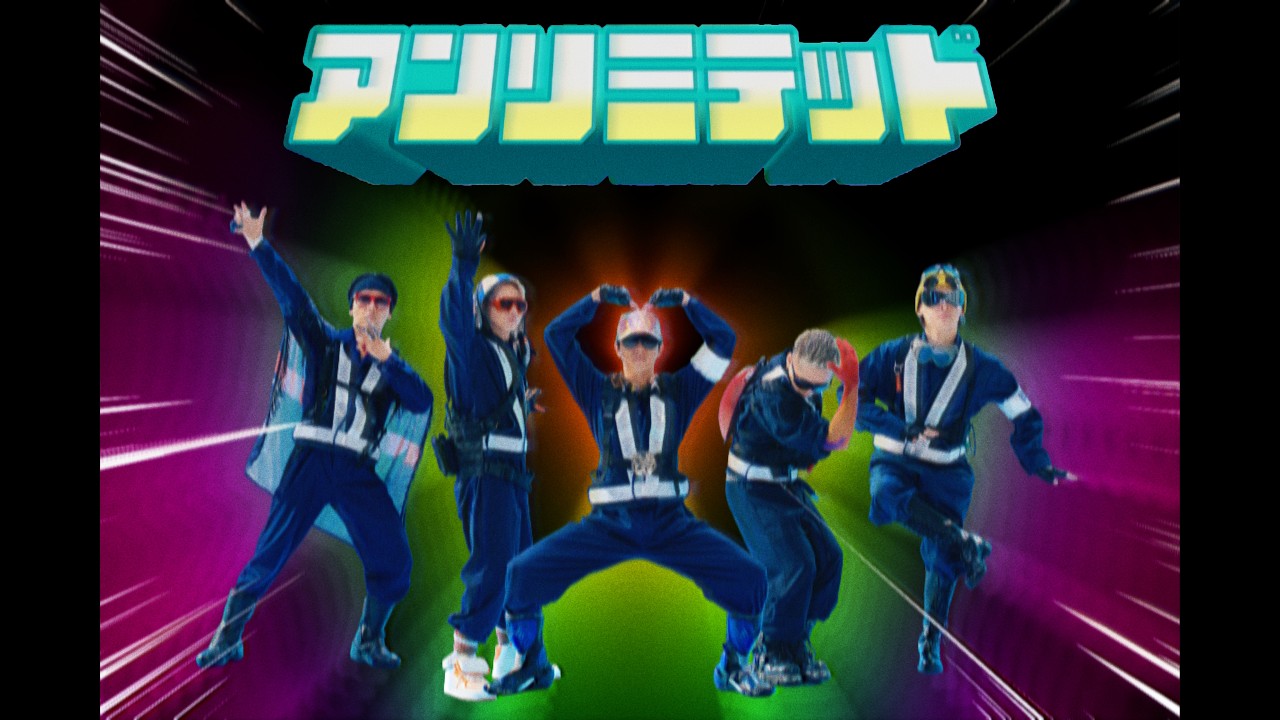
Most song ease you into their crescendoing peaks, through a series of emotional melodic flows or relatable and suspenseful lyrics. Da-iCE takes the opposite approach. Their newest single, "アンリミテッド Unlimited," wastes no time making an impression, launching listeners directly into an adrenaline-filled production that feels as if it is already in motion before the first lyric is even sung. From its driving breakbeat opening to its explosive chorus packed with live band instrumentation and a vibrant horn section, the track embraces the idea of pushing forward without hesitation. For a group celebrating more than a decade of success, it would have been easy to rely on a familiar formula. Instead, Da-iCE continues proving that artistic growth has become one of their greatest strengths. "アンリミテッド Unlimited" feels confident, ambitious, and refreshingly unafraid to take risks, delivering a sound that captures the excitement of chasing something bigger while refusing to slow down. Da-iCE has established itself as one of Japan's premier dance and vocal groups through a combination of exceptional musicianship, dynamic performances, and songwriting that continues to evolve with every release. Comprised of vocalists Yudai Ohno and Sota Hanamura alongside performers Taiki Kudo, Toru Iwaoka, and Hayate Wada, the five-member group has become known for their signature twin vocals that span four octaves while blending polished choreography with emotionally driven pop music. Since their major debut, Da-iCE has steadily built an impressive legacy within the Japanese music industry. Their 2020 hit "CITRUS" became the first song by a Japanese male dance and vocal group to surpass 100 million streams and earned the group the prestigious Grand Prix at the 63rd Japan Record Awards. They continued that momentum with "Star Mine," a song that quickly became a cross-generational favorite and one of the defining seasonal anthems of the Reiwa era. In 2024, the group celebrated their tenth anniversary, while "I wonder" received the Excellence Award at the 66th Japan Record Awards and rapidly became the fastest Da-iCE song to surpass 200 million streams. Their latest album, MUSi-aM, further showcased their musical evolution and helped earn the group their long-awaited first appearance on the 75th NHK Kōhaku Uta Gassen. That continued evolution is on full display with "アンリミテッド Unlimited." Written by members Taiki Kudo and Sota Hanamura, the song feels especially personal because it comes directly from two of the group's own creative voices as the pair crafted a track built around determination, momentum, and the willingness to push beyond perceived limits. To help bring that vision to life, Da-iCE collaborated with producer Yusuke Saeki, better known under his production name Saeki youthK. Saeki's résumé speaks for itself, having worked with some of Japan's biggest artists including Arashi, Snow Man, SixTONES, Nissy, Kana Nishino, and miyana. His production style is known for balancing polished arrangements with emotional impact, and on "アンリミテッド Unlimited," he helps transform an already ambitious composition into something that feels almost cinematic in scale. The production immediately commands attention. Instead of building slowly toward its biggest moments, the song begins with an urgent breakbeat that creates an instant sense of movement. By the time the chorus arrives, layers of live instrumentation, soaring brass arrangements, and explosive percussion collide into a sound that feels larger than life. Every section seems determined to outdo the one before it, creating a constant feeling of forward momentum that never allows the energy to fade. Yet despite its massive production, the song never loses sight of what has always made Da-iCE stand out: thoughtful songwriting. Beneath the powerful instrumentals lies lyrical depth that rewards repeat listens. Taiki Kudo and Sota Hanamura once again demonstrate their ability to write songs that balance accessibility with meaning, weaving subtle details throughout the lyrics that reveal themselves over time. "アンリミテッド Unlimited" explores perseverance through imagery and layered storytelling. The message encourages listeners to move forward with confidence, even when faced with uncertainty, while reminding them that personal limits often exist only to be challenged. It is a theme that feels especially fitting for a group that has continually expanded its own artistic boundaries throughout its career. One of the song's greatest strengths is how naturally every element works together. The relentless rhythm section, expansive instrumentation, and emotionally charged vocal performances all support the central message without overwhelming it. Da-iCE's vocal chemistry remains one of the group's defining characteristics, with Yudai Ohno and Sota Hanamura delivering performances that effortlessly move between power and restraint while maintaining remarkable clarity throughout the song's most demanding moments. The instrumental arrangement deserves equal recognition. The inclusion of a full band alongside vibrant horn sections gives the single a richness that sets it apart from many contemporary pop releases. Rather than feeling excessive, every additional layer contributes to the song's feeling of limitless momentum, reinforcing the very idea behind its title. "アンリミテッド Unlimited" feels perfectly suited for audiences looking for something larger than a typical seasonal anthem. It captures excitement without becoming repetitive and delivers intensity without sacrificing musical sophistication. For longtime fans, the single represents another exciting chapter in Da-iCE's continued artistic journey. For new listeners, it serves as an excellent introduction to a group that has spent more than a decade refining their sound while continuing to challenge themselves creatively. "アンリミテッド Unlimited" never asks listeners to prepare for what's coming next. From its opening seconds until its final note, Da-iCE commits fully to its vision, creating a song that feels bold, exhilarating, and impossible to ignore. Sometimes the biggest statement an artist can make is refusing to hold anything back, and with "アンリミテッド Unlimited," Da-iCE proves that there are still new heights left to reach.