577 results found with an empty search
- from20 Embraces His Most Honest Era Yet with Long-Awaited Full-Length Album "Rated R"
After spending the last year building anticipation through a series of releases that highlighted his evolving artistry, from20 has officially returned with his second full length album, Rated R. The highly anticipated project marks his first full album release in nearly five years and serves as perhaps the clearest representation of who he is as both an artist and individual. Blending the nostalgic sounds of late 90s and early 2000s R&B and hip hop with modern production and storytelling, Rated R is an album that invites listeners into from20's world, one built upon confidence, desire, vulnerability, and the freedom to unapologetically be yourself. Photo Courtesy of WAY BETTER For many fans, this release feels like the natural next step in a journey they have been watching unfold for years. Since embarking on his solo career, from20 has steadily established himself as one of Korea's most exciting independent artists, continuously pushing boundaries both musically and creatively. Last year, he captured the attention of global audiences with the release of pre-release singles "Eye Candy" and "Social," two tracks that showcased his trendy R&B influences and charismatic performance style while hinting at a larger story waiting to be told. Those songs not only introduced new listeners to his artistry but also reminded longtime fans of his ability to create music that feels both deeply personal and universally relatable. With Rated R, that story finally comes together in a way that feels complete. The title itself immediately sparks curiosity. Inspired by the American film rating Restricted, Rated R symbolizes the emotions, thoughts, and desires that people often choose to keep hidden from the world. There are certain feelings that society sometimes labels as uncomfortable, inappropriate, or too much, causing many people to suppress those parts of themselves. Rather than avoiding those topics, from20 chooses to embrace them with confidence, playfulness, and honesty. At the same time, the album title carries an even deeper meaning because the "R" also represents his real name, RAEHWAN. This project feels like a declaration of self. It is not a rating assigned by critics, fans, or society, but one entirely created through his own standards, experiences, and artistic language. Simply put, this is from20 presenting himself exactly as he wants to be seen. That theme of self-acceptance and authenticity can be felt throughout the album's tracklist. Songs with bold titles such as "BIG BOY," "Naked," "Scandal," and "F-Boy" immediately grab attention, but beneath their provocative names lies a much deeper message. Together, these tracks explore confidence, attraction, rumors, insecurities, and the expectations that people often place upon themselves and others. There is an underlying sense of freedom woven throughout the album, as if from20 is encouraging listeners to let go of the fear of judgment and instead embrace every side of who they are. It is a message that feels particularly meaningful in a world where people are constantly being told who they should be, how they should look, and how they should present themselves. Leading this new era is the title track "BIG BOY," a vibrant pop song built upon the foundation of nostalgic 90s hip hop sounds. While the production immediately evokes feelings of familiarity and fun, the song's message is what truly makes it stand out. At its core, "BIG BOY" celebrates body positivity, individuality, and confidence without limitations centered around the message "No matter who you are or what you look like, we are all hot." The song boldly declares that everyone deserves to feel attractive, confident, and proud of themselves regardless of body type, image, or societal expectations. Rather than chasing perfection or conforming to unrealistic standards, from20 instead encourages listeners to embrace what makes them unique and to confidently own their own vibe. That message feels especially powerful coming from an artist like from20, who has continuously chosen authenticity over conformity throughout his career. Photo Courtesy of WAY BETTER That sense of confidence is balanced by tracks like "Naked," which appears to pull back some of those layers and explore a different side of self-expression. While the title itself may initially sound provocative, it can also be interpreted as a metaphor for emotional openness and vulnerability. There is something incredibly relatable about the idea of stripping away expectations, insecurities, and the versions of ourselves that we create for others in order to simply exist as we truly are. Similarly, "Scandal" seems to dive into the rumors, assumptions, and judgments that inevitably follow people throughout life. Whether within the entertainment industry or everyday experiences, everyone has experienced moments where they felt misunderstood or defined by narratives created by others. Through its title alone, the track evokes feelings of frustration, curiosity, and even acceptance, reminding listeners that not every opinion or rumor should determine how we view ourselves. In many ways, it reinforces one of the album's central messages: confidence comes from within, not from outside validation. Then there is "F-Boy," perhaps one of the album's most intriguing song titles. The track seemingly plays with labels and perceptions, examining how quickly people are judged based on appearances, reputations, or preconceived ideas. There is a sense of playful confidence surrounding the title, almost as if from20 is challenging listeners to question why certain labels exist in the first place and whether they truly define a person. It feels bold, self-aware, and perfectly in line with the album's overall theme of refusing to be confined by society's expectations Photo Courtesy of WAY BETTER Rated R beautifully balances nostalgia and modernity. The influence of late 90s and early 2000s R&B and hip hop can be heard throughout the album, transporting listeners back to an era that many remember fondly while simultaneously giving those sounds a fresh, contemporary update. For older listeners, the album may evoke memories of a time when music embraced individuality and confidence in a different way, while younger fans may discover a new appreciation for those influences through from20's modern interpretation. This blending of generations and sounds ultimately mirrors one of the album's central themes: the idea that growth comes from embracing every version of yourself, both past and present. After nearly five years away from the full-length format, from20 returns with a project that feels incredibly intentional, deeply personal, and unapologetically honest. "Rated R" serves as both a celebration of self-expression and an invitation for listeners to become more comfortable with themselves as well. Through its nostalgic sound, confident storytelling, and messages of self-acceptance, the album captures an artist who has fully stepped into his identity and is inviting fans to do the same.
- JUNHEE Brings His Solo Colors to Life as INTO THE OCEAN Tour Reaches Vancouver
Written and Photographed by Dora C. JUNHEE flooded Vancouver with uncontainable energy as he kicked off the Canadian leg of his INTO THE OCEAN tour, delivering a night filled with nostalgia, emotion, and a glimpse into his growing identity as a solo artist. For many fans in attendance, the evening carried even greater significance as it marked the first time in eight years that an A.C.E member had returned to Vancouver. Since making his solo debut, anticipation had steadily grown among fans eager to witness this new chapter of JUNHEE's career unfold live on stage. As the opening notes of "Supernova (00:00)" echoed throughout the venue, deafening cheers erupted from the crowd. The sea of A.C.E lightsticks illuminated the venue, creating a beautiful atmosphere as JUNHEE immediately captivated the audience with his euphoric vocals and smooth stage presence. The energy only continued to rise with performances of "Sugar (18:00)" and "You Should Come (21:00)," all tracks from his debut mini album released in September 2025. The opening sequence served as the perfect introduction to JUNHEE's solo identity, highlighting both his artistic growth and the confidence he has gained as an individual performer. The night also featured several special cover stages that further showcased JUNHEE's musical influences and versatility. His rendition of Bazzi's "Beautiful," an artist who heavily inspired the creation of his solo album, resonated deeply with the audience. Fans were also thrilled to see the return of his performance of the viral track "Your Idol" from KPop Demon Hunters, a song that had previously garnered significant attention online through his earlier covers. The atmosphere inside the venue remained electric throughout the evening, with fans passionately singing along and cheering after every performance. Even "Umbrella (10:00)," which JUNHEE introduced as one of the more emotional songs in his catalog, was met with overwhelming enthusiasm and heartfelt support. One of the most memorable moments of the evening came midway through the concert when JUNHEE took time to experience a local Vancouver specialty. Presented with a Nanaimo Bar, the iconic Canadian dessert consisting of a coconut crumb base, custard filling, and chocolate topping, JUNHEE eagerly gave it a try. After tasting the dessert, he humorously rated it a 7.5 out of 10, explaining that it was "a little too sweet" for his personal taste, drawing laughter and cheers from the crowd. As the concert neared its conclusion, JUNHEE revisited his roots by performing several beloved songs from A.C.E's discography. The special segment served as both a celebration of his journey and a reminder that while he is embracing his solo path, his history with A.C.E remains an inseparable part of who he is as an artist. Fans were clearly not ready to say goodbye, repeatedly calling for encores and requesting additional songs long after the setlist had ended. In response, JUNHEE gifted attendees with a small impromptu acapella session, taking fan requests and showcasing the raw vocal ability that has long made him one of the industry's most respected performers. The intimate moment left many visibly emotional and further strengthened the connection between artist and audience. By the end of the night, one thing was abundantly clear: Vancouver had left a lasting impression on JUNHEE just as much as he had on the city. Expressing his appreciation for the passion and energy shown by fans, the singer shared his hopes of returning in the future. He also hinted at new music currently in the works following the conclusion of the INTO THE OCEAN tour, giving fans even more reason to look forward to what comes next in JUNHEE's rapidly evolving solo career.
- EVAN – RIDE OR DIE: The making of an artistic identity
Instead of an archetypal debut artifact, EVAN’s RIDE OR DIE is a calculated form of authorship, dropping on June 22, 2026, at 6 PM KST, via BELIFT LAB. The release comes out as a debut digital single, rather than an EP with multiple tracks, and consists of two songs: “Ride or Die” and “Overflow”. The album shrinks its objectives into just two songs but stretches itself in terms of intention, positioning, and the highly personal participation of the artist. Against the backdrop of the ever-changing Korean pop music scene, defined by hybrid genres and self-directed production stories, this release marks not the arrival but the process of emergence. In this context, RIDE OR DIE emerges as a continuation of the process, where EVAN engages in lyric writing, musical composition, recording production, and video production, marking the starting point of EVAN’s individual path after his decision to change his artistic name. The degree of participation and active engagement in the creative process is officially confirmed by BELIFT LAB, suggesting that this album is the result of the reconfiguration of authorship towards the artist’s inner experience rather than external production logic typical for idol music. According to the official note published by BELIFT LAB, EVAN “participated in the whole creation process from lyric and music writing to producing the recording, pouring out his feelings for his fans into the digital single". In the center of RIDE OR DIE concept is a term that is usually used in colloquial speech; however, in this work, it becomes the basis of emotions and plot line. The word means loyalty and serves as a metaphor of artistic dedication, interpersonal dedication, and conflict of stability and instability of feelings. According to BELIFT LAB, this project is the beginning of EVAN's solo career path because the artwork expresses his emotions right now and, at the same time, shows what path he wants to follow in the future as a solo artist. This theme is not about some kind of solution of the situation, but it is the threshold. The titular song, Ride or Die, has been crafted as the primary axis of expression of this music project and features a core of alternative rock laced with the melodic accessibility of pop rock and elements of hyperpop sporadically interwoven throughout. The harmonic structure of the song relies heavily on the use of electric guitar riffs, with percussion giving the song its momentum and keeping it consistently moving forward. The vocal performance has been centered in the sound and is often intensified to match the emotional buildup of the song. Instead of blending the stylistic inspirations into one consistent hybrid sound, the producer opted for stratified construction and juxtapositions of different styles. On the lyrical level, Ride or Die relies on straightforwardness instead of story complexity. It uses repetition and declarative language to convey emotions through reiteration rather than description. The refrain-like construction stresses continuity and persistence, using images of movement, travel, and elongated time. In this context, the imagery of motion acts as a metaphorical device for the persistence of emotions, as commitment to a relationship is turned into the process of movement rather than a statement. At the same time, the song's intense emotions are conveyed not only by lyrics but also by the repetitions of language mimicking those of instrumentation. Overflow stands in clear opposition to all of that on both the sound and emotional levels. As the B side of the album, it moves towards indie pop simplicity inspired by lo fi aesthetics and understated instrumentation. Guitar tones are subdued, percussion is pushed back, and space becomes an integral part of the composition. The metaphor used here is that of water overflowing, representing the emotional state through the means of sound. Instead of projecting emotions outwards, Overflow looks inwards, conveying feelings of accumulation, pressure, and release in a slow progression rather than climax. As a whole, the two tracks do not create variation in a conventional way but serve to map emotional duality in an extremely limited format. The first track externalizes intensity while the second track internalizes overflow, thus providing for a relationship built around contrast rather than integration. Such an approach is quite relevant considering the label’s definition of the project as a swing between explosive force and sensitive delicacy, which defines the emotional landscape of the album without resolving its dualism. The vocal performance by EVAN can be considered as the major interpretative technique in both tracks. The voice of the singer is used as an instrument of pressure and drive in Ride or Die, with emphasis on strong articulation and dynamics of emotions. In Overflow, the voice of EVAN undergoes the process of re-contextualization with respect to restraint, clarity, and softness of tone. This change does not indicate any kind of inconsistency but the process of adaptation to context-dependent presence. Visually, this project is based on an aesthetic approach that focuses on reduction and transparency of the process. Initial conceptual pieces feature studio settings filled with instruments, recording tools, and partially broken places of creation. Such an approach places the artist in the midst of production and emphasizes the process of sound creation as something visible and continuous. The music video for Ride or Die further elaborates on this concept through the use of symbolic fragmentation, such as disoriented spatial composition and the constant presence of a worn-out car as a symbol of loyalty and consistency. The production identity of this project corresponds to the tendency that can be observed in contemporary K-pop towards genre permeability and blending rock instrumentation with electronic processing. Unlike other songs that dissolve such influence into one sound identity, Ride or Die preserves this combination and maintains it as something that exists separately from each other and creates friction. Elements of Hyperpop serve as textural rather than structural additions, which corresponds to a larger global pop tendency where genre identities serve as compositional means. The critical reception of the album, to the extent that it can be discerned from early analyses, seems to focus largely upon the nature of RIDE OR DIE as both statement and transition. From one perspective, the album demonstrates a clear intentionality and cohesiveness of emotional narrative in its portrayal of EVAN as an artist with sole control of the creative process of his music. From the other, it is viewed as being fundamentally preliminary in structure, its production indicating exploration over consolidation. Indeed, the narrowness of the album in terms of number of tracks further supports this reading, as the album becomes an introductory expression of identity, rather than its full statement. In terms of the wider context of the Korean pop music industry, the project functions from a point of view that is in accord with contemporary trends in artist-driven production and genre mixing within the field. It does not seek to reconceptualize these processes, but rather to work within them in its articulation of personal identity. Indeed, in the final analysis, RIDE OR DIE represents more of an account of artistic genesis than artistic fruition. The value of the piece resides not so much in the result but in the process, the way that songwriting, production, performance, and visual artistry all combine in a single vision. Instead of creating an identity, the work engages in the very act of identity formation. And through doing so, the debut album of EVAN places itself in a larger cultural context where music is a means of declaring an evolving self.
- When absence speaks louder than memory: Shin Kyung-sook’s quiet devastation
It starts with a disappearance, but what it truly sets up is far more disturbing: a gradual recognition that presence does not ensure knowledge. Please Look After Mom, by Shin Kyung-sook, starts with a seemingly innocent scenario (mother disappears in the Seoul subway) but it soon turns out to be anything but an ordinary search tale. In another context, a disappearance of an old lady might have been a tale of procedural investigation or a mystery based on clues and solutions. But here it becomes something different – much more subtle and, in fact, disturbing. As the husband and grown-up children set off to look for their mother in the city, going from one station to another and walking down the streets which seem familiar all of a sudden but remain incomprehensible, one cannot think of the city in terms of the maze of suspense. And very quickly the question changes its nature. It is not just the issue of finding out where she is, but what her disappearance says about the life she lived until it happened. What makes this book unique is precisely the approach it takes in regards to answering the posed question. First of all, the story is written in voices of different members of a family: the oldest daughter, the son, the husband, and ultimately – the mother herself. The structure of each part does not make it the continuation of a previous one, but rather correction and addition, since every character has his own vision of a particular situation which may or may not differ from the perspective of someone else. It seems that the family tries to create some kind of portrait of their relative, but is unable to do so. The fragmentation of the plot is what this novel is trying to tell us, that is – it is the main message of the book. In fact, the mother is always present in the memories of her relatives, although she is not visible at the same time. She plays roles that are familiar enough and therefore do not need any explanation. As each family member gives their version of the story, a common theme emerges which seems less about disclosure than distance. While the daughter's story has been colored by her adult experience and detachment from the family life she once knew, the son's story has been colored by detachment and a scattered remembrance of his childhood. The husband has lived alongside these other family members for a long time now, yet he has never really understood them. No one speaks in an unreliable way. Instead, the stories that they share seem inherently incomplete in a human way. The message of the novel is that incompleteness is not the exception within family memory, but rather the rule. The writing style emphasizes this feeling of partial transparency. The prose is terse, straightforward, and understated in terms of style. There is no effort to make the writing more literary or artistic by overstating it. The writing instead stays close to observation. Emotion comes out of the story rather than through it. The structure of the novel has a similar underlying pattern. It does not follow the trajectory towards a climactic point in the manner suggested by the disappearance narrative. The story is built up through an accumulation of chapters, and what the reader receives at the end of it is only a partial picture of what happened. The structure of the novel avoids any sort of closure not as a form of challenge to the norms but because of its nature which mirrors the very limitations of the process of remembering. The novel does not give us a complete identity of the character since it focuses on reconstruction rather than resolution. It soon becomes clear that the disappearance of the mother is not the starting point of the emotional core of the novel. It only becomes a cause of uncovering something that was there all along. Much before her disappearance, the mother was already partly invisible to the family not physically but figuratively. Her life had already been so much incorporated into the family life that certain types of actions on her part became unnoticed by everyone around her. The difference which arises as the mother's own voice enters the story is quiet but profound. It doesn’t negate all that has come before, but changes its very configuration. That which was previously viewed from outside as ordinary or silent becomes something experienced internally. The mother’s voice brings in fatigue, memory, emotional strength, and types of love that are not defined by proclamation, but by endurance. It is not a dramatic change. It is disorienting, but quietly so, like an adjustment in focus as opposed to a change in perspective. From here on out, the emotional weight of the novel doesn’t stem from discovery in the traditional sense, but from re-discovery. Nothing in past chapters changes, but how they are read does. Retrospective change is one of the best tools in the book. It creates the feeling of always being a step behind in one’s comprehension. The themes that arise within this structure are not posed as theoretical, but rather are conveyed through dynamic experience. Family is revealed to consist of proximity without guaranteed intimacy. Memory is depicted as reconstruction influenced equally by focus and avoidance. Guilt is revealed not as an overwhelming realization of wrongdoing, but as a slow discovery of how readily presence is confused with comprehension. The author does not pose this point explicitly, but reveals it through repetition and contrast. One of the most consistent motifs throughout the entire novel is the invisible nature of sacrifice when it is repeated daily. The life of the mother revolves around acts of love that are constant and expected. The woman organizes and sustains family life. However, the very consistency of these acts means that they go unrecognized as anything special. The author neither glorifies nor vilifies this state of affairs. Rather, he simply illustrates the nature of its essential invisibility. The aspect of the book is particularly pertinent in terms of generational experience and change in South Korea. The move from a more traditional family system to the urban modernity serves as an unspoken background of the story despite its absence in the explicit discourse of the novel. The generation of the mother can be read as a generation burdened with forms of labor and emotional work that had become part and parcel of the changing families. Beyond the borders of South Korea, the reception of the novel is likely to be different. In international contexts, the novel stops being perceived as a socially situated story and starts functioning as a universal story about family, loss, and delay in understanding. In this interpretation, the cultural specificity becomes secondary while the emotional engagement takes center stage. What is left after the novel ends is not a resolution but rather an afterimage of perception. Simple conversations, silences, routine things receive a new significance through recollection. This book doesn’t tell the reader how to perceive things. Instead, it just changes the context in which the feeling of familiarity should be understood. This change is not overtly noticeable but leaves its mark after reading the novel. This is not about the disappearance which starts the novel, it is rather about the continuity which existed before it happened. What makes the character of the mother more than just the absence of the mother is the whole series of unnoticeable presences which turned that absence into something so unexpected. Ultimately, what the novel is all about is the question of how many details of someone’s life one could miss even watching them firsthand. In this way, the strength of this novel isn’t just about its unusual structure or surprising twists. It is rather about the author’s ability to change the focus of the reader’s attention. It shows that recognition isn’t about finding out something new, but rather about catching something in the right time.
- Inside AxMxP’s ‘24 Hours’: Minimalism as strategic repositioning
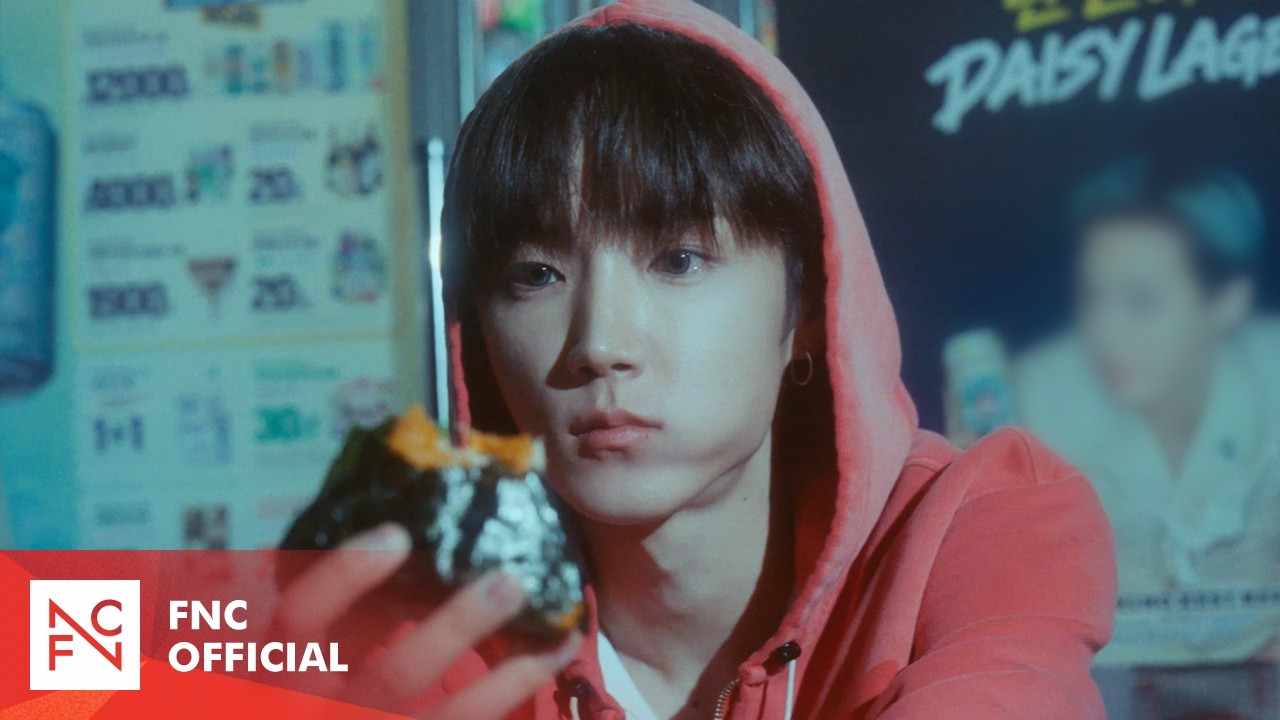
In the constantly developing field of modern K-pop, "24 Hours", produced by AxMxP under FNC Entertainment in June 24, 2026, comes more as a tonal repositioning act than a usual comeback. Coming out about five months after their mini album Amplify My Way, the digital single can be seen more as a deliberate tonal shift than as an attempt to radically reinvent themselves or continue on the same path. The current music industry with its ever-developing branded storylines requires a particularly cautious attitude towards any artistic decisions made. On a conceptual level, "24 Hours" plays with the idea of turning one's mundane anonymity into a certain kind of emotional atmosphere. The opening line of the track comes straight from the light of the night shop, which is so characteristic of South Korea that its omnipresence turns into a source of intimacy rather than something new. Expanding from there, the song itself becomes an imaginary 24 hours in terms of the emotional continuity of the feeling rather than its break-through nature or obsession. On the musical level, the track features a controlled hybrid of hip-hop and R&B music, which is softened through the use of guitar phrases reminiscent of bossa nova style and a percussive pattern that values groove above force. Musically speaking, the single is characterized by an unassuming approach. Instead of creating climaxes, there is no emphasis on building up the structure in any way. Thus, the track is consistent with the principles of contemporary R&B music around the world instead of typical K-pop singles' contrasting nature and peak structure. The credits for writing and composing the song belong to HAN SEONG HO, Seo Yongbae, Minos, Rapid, rockchain, and Jacob Aaron of THE HUB; the arrangements were performed by Rapid and rockchain. In this regard, the presence of lyrics by member Ha Yoo Joon represents an important element of internal continuity within the creative identity of the group. The members of AxMxP did not act just as performers for the externally created idol song, but kept the connection with internal authorship as well. But what separates “24 Hours” from the rest the most is not so much the team behind the track and the production process involved, but the absence of the typical approach to the single in K-pop. Here, there’s nothing spectacular in terms of the break moment in sound and style, nor an obviously viral structure aimed at catching the attention of people, either during live performances or online. Instead, the track takes full advantage of atmosphere as the dominant means of expression. That’s when the artistic and industrial sides of the project become interconnected. This idea is transferred to the visuals as well, as the MV of the track is centered around a convenience store lit up in the middle of the night. What’s special about the MV is the way in which it creates a liminal zone where reality and fantasy coexist, with none being more important than the other. The place becomes the key element of the track that serves as a transition point between night and morning, as well as solitude and communication. © AxMxP's Instagram Vocally, "24 Hours" strengthens this idea of reserve even more. Performances are restrained; there is an intention to speak through proximity rather than projection. The voices are integrated into the mix rather than standing out over it, serving as yet another element of texture in the entire sound space. This interpretive strategy is deliberate and essential since it underscores the refusal of the track not to take the center stage and to try inhabiting it instead. This way, AxMxP moves vocal performance from virtuosity to affective presence. From this point on, it becomes clear why this song is controversial in the specialized spaces like The Bias List. In them, the track is described as coherent in terms of its emotional expression, yet structurally understated, verging on being used as a background rather than a piece of defining pop. This controversy, however, can be viewed as crucial to interpreting "24 Hours" as a deliberate strategic artifact: its success lies not in the ability to grab attention instantly but in offering a track worth absorbing. In the context of AxMxP’s artistic journey as a whole, the song serves as a realignment in response to the more energetic and contrasting tonal landscape of “Amplify My Way.” Here, there is an emphasis on energy, genre blending, and dynamics. On the other hand, “24 Hours” decreases density and opens up space. Notably, this does not represent a step away from identity but rather represents a reconfiguration of focus. The hybrid identity of the group is preserved, although now with different priorities. It speaks to a larger structural truth about the modern K-pop band landscape in which there exists a parallel recognition of live instrumentality, festival tours, and digital release among others through agency models like those of FNC Entertainment. AxMxP exist in this landscape as something of a liminal case; too constructed to fall within the scope of indie groups, too musically driven to conform to typical idol narratives. “24 Hours” brings this into sharper relief. Thematically speaking, “24 Hours” fits into an ongoing trend in the aesthetic evolution of the world in the direction of what could be labeled as “everyday romantic minimalism,” whereby emotional resonance is gained through the repetition of mundane episodes rather than through the development of the narrative. The convenience store is the perfect example of such logic in that it is not a complex metaphorical device but just an everyday cultural object invested with emotional meaning. © AxMxP's Instagram It is precisely the self-control shown by the band that characterizes “24 Hours”. “24 Hours” is a carefully thought-out album, which is built on the principle of absence no less than presence; the music is deliberately muted here. This self-control can be understood in two different ways. First of all, it is an indication of maturity of the artist who decided to opt for coherence and atmosphere rather than market demands. However, it also demonstrates some limitations of this approach. For AxMxP’s trajectory as an artist under FNC Entertainment, however, the song serves more as a calibration than a zenith. The song implies a tension between the identity of the band as musicians and the expectations of the pop industry, as well as between their instrumentality as artists and their function as streamed music. “24 Hours” does not solve these tensions; it merely suspends them. Perhaps that is its most fitting interpretation: neither an announcement of arrival nor even of intention, but a deliberate hesitation in an on-going process of definition, one that occurs through a gradual accumulation of identity over time, rather than an assertion at once.
- YeoJin's "Lv2": A confident step in the evolution of her solo identity
In this sense, in a world where K-pop artists tend to express their artistry in phases and not through abrupt reinventions of self, the album “Lv2” by YeoJin becomes a purposeful and well-thought-out follow-up to a narrative that is already unfolding. The album was released on June 23, 2026, at 12 PM KST by MUMW Entertainment. Unlike a single artistic expression, the album can be described as one more step in the process of the artist's systematic construction of self-identity initiated with "Lv1". The artist’s current path in her solo career represents the continuation of the overall professional development which was initiated after the artist's departure from LOONA and her involvement in Loossemble activities. Having signed the contract with MUMW Entertainment in January 2026, the artist has undergone another structural transformation in her creative work aimed at individualization of the artistic expression. In this case, the album "Lv2" is the second step of the artist under the mentioned system of artistic expression. The launch of the project began on June 15, 2026, through a coordinated promotional campaign using teasers, concept photos and videos on the channels of MUMW. It included phased distribution, creating an appropriate rhythm for storytelling before the release. One of the most striking parts of the campaign was a teaser shot where the main focus is on red colors and a pink heart-shaped guitar, as this image embodies the combination of thematic concepts of enhanced emotional charge and symbolic seasonal images. The center of the album is "Red Hot Chili Summer" song which is highlighted as the conceptual basis of the work and the focus of promotion. Defined by MUMW and the Korean media as a summer-pop song, "Red Hot Chili Summer" accentuates the seasonality of the theme, as heat, brightness and accelerating emotional state of the song is not just the atmosphere around, but the actively used compositional element. Alongside the lead song, two B side songs, “Quiet Yes” and “Two Halves”, expand the emotional spectrum of the project in a consistent manner. The first song creates an understated atmosphere of subtlety and expression, drawing its emotional language from retro elements. Unlike the lead song, it creates an emotional setting of implied emotions rather than stated ones, creating an emotionally suspended context in which the emotions are only indirectly expressed. The second B side song, “Two Halves”, which is placed as a finale of the album, creates a more direct emotional experience of relations between artists and their fans. Being officially credited for the lyrics written by YeoJin, this song serves as a fan-centered one, as it re-contextualizes the relationships between the artist and her audience as complementing each other rather than being in opposition. “Lv2” features a well-defined structure in all three of its tracks in terms of how the sequencing proceeds from high energy sensual moments to contemplative moments of introspection, to finally reaching the realm of relational intimacy. The sequencing follows a deliberate progression process which is intrinsic to the concept design of “Lv” project. The progression in terms of thematic significance also serves an important purpose structurally speaking. The music in the project is characterized by the blend of summer pop immediacy, nostalgic tone, and emotionally driven b-side songs in the hybrid pop format. Production decisions have focused on defining differences between the individual tracks and creating clarity rather than fragmenting them stylistically. In order to create a coherent sound in the album, the diverse elements are arranged on the basis of their functions. YeoJin’s vocal is much more prominent in comparison to the vocal line of the previous group-based project. As discussed in interviews around the time of the release of “Lv2”, YeoJin talks about carrying out vocal lines on her own as a solo artist as opposed to the distributed lines in the previous project. Increased exposure to the songs also brings forth a modulated, rather than uniform, performance approach. Within the entire project, her vocal style varies depending on the mood that each song is meant to bring out, ranging from high-energy singing in the lead single to low-energy singing in the B side songs. This does not indicate any change in identity on the part of the artist but rather an exploration of expressive styles within the limits of a defined solo identity. Thematically, “Lv2” shows a consistent link between intentionality and musical structure. The official description of the album identifies three key themes of emotionality: the intensity of emotions brought about by summer, the articulation of unspoken emotions, and emotional expressions of closeness with her fans. All these themes correspond to the structural organization of the album in terms of the track listing. The writing style is immediate and clear rather than complex. Considering the nature of a single album, the songs have been written in a way that they bring out emotions immediately rather than through an elaborate storyline. This is evident in the song “Two Halves”. In terms of visuals, the continuity in the visual logic laid down in “Lv1” is continued in “Lv2”, as opposed to it being abandoned and replaced with an entirely new logic of aesthetics. The marketing is done through teasing and conceptual pictures as well as video material, and a key element of the symbolism used includes the name “L∞na”, where the symbol of infinity represents the notions of continuity, longevity and connection between the performer and her audience. In terms of packaging and physical releases, the elements used for limited editions and collectibles belong to the same two-chapter system as the “Lv1”, thus, emphasizing on the fact that the project in question belongs to the serial artistic structure, as opposed to being standalone albums. As far as production is concerned, the album follows a typical structure in the world of K-pop, where the overall creative direction is decided by the label, but the performer is given some artistic input into the project. Although the input of YeoJin in terms of lyrics for “Two Halves” shows that the artist does have some creative say, the majority of the composition and arrangement is done by in-house production teams. From the standpoint of emotion, the album is one of contrasting experiences rather than having a consistent tone. There is sensory overload in the first track, emotional constraint and subtlety in the second track, and relational intimacy and affective resolution in the third track. Through such sequencing, an emotional journey is created, beginning with outside stimulation before moving on to inside connection. In the context of K-pop as an industry in 2026, the album has taken up a typical role of a post group solo artist. It represents a format increasingly utilized by musicians who are switching from their group identities to their solo careers by producing short albums as steps towards their identity establishment. The single album form together with the promotion strategy based on a lead single is well-suited for streaming-based music consumption. It should be noted that “Lv2” does not represent any dramatic artistic change, but only a step in a controlled progress. It is possible to see how an artist works in a certain production context and gradually takes more and more responsibility and creative involvement in his work. In this way, the aim of YeoJin to introduce himself as a person to fans is achieved. From this perspective, then, “Lv2” refuses to be considered as an absolute declaration of arrival, but rather exists within the zone of consolidation and development, in which identity is not fixed or fragmentary but rather is constructed through repetition, variation, and deliberate growth. This makes for a piece of work that takes into account both the potential and limitations of current K-pop solo production, in which identity is more a series of chapters than one unified voice.
- KCON LA 2026 Expands the K-SOUL CITY Experience With Its First-Ever KCON Messengers
KCON LA 2026 continues to prove that it is much more than a music festival. As excitement builds for this year's celebration, KCON has introduced its inaugural lineup of KCON Messengers, welcoming ALPHA DRIVE ONE, Chef Edward Lee, and PARK EUN BIN to represent some of the most influential pillars of Korean culture. While K-Pop remains at the heart of the festival, this newest initiative reinforces KCON's mission of inviting fans to experience every aspect of Korean lifestyle, from beauty and food to storytelling and entertainment. Taking place August 14 through 16 at Crypto.com Arena and the Los Angeles Convention Center, KCON LA 2026 returns under its "K-SOUL CITY" theme, transforming downtown Los Angeles into a vibrant extension of Seoul. Since launching in 2012, KCON has grown into the world's premier K-culture festival by creating an environment where fans can discover not only their favorite artists, but also the trends, traditions, and creativity that have helped Korean culture capture global audiences. This year's KCON Messengers represent that vision perfectly, each bringing their own unique perspective while helping fans explore the many experiences waiting throughout the convention. Leading this year's K-BEAUTY experiences is rookie boy group ALPHA DRIVE ONE, whose rapidly growing international fanbase and energetic personalities have already made them one of the newest groups to watch. Appointed as the official K-BEAUTY Messenger, the group will lead activities centered around the theme "Find Your Signature Glow." Rather than simply promoting skincare or cosmetics, the experience encourages fans to discover what confidence and self-expression mean to them through Korean beauty culture. With K-beauty continuing to influence skincare and cosmetic trends around the world, ALPHA DRIVE ONE serves as a fitting ambassador for one of Korea's most recognizable global industries. Their participation also gives fans another opportunity to interact with the group beyond the concert stage, creating memorable moments throughout the convention weekend. Food has always been one of the easiest ways for people to connect across cultures, and few individuals have helped introduce Korean cuisine to international audiences quite like Chef Edward Lee. As the official K-FOOD Messenger, the celebrated chef will showcase how food has the power to create memories, build community, and bring people together regardless of language or background. Lee has spent years earning recognition for blending Korean flavors with modern culinary techniques, but many fans around the world came to know him through Netflix's hit culinary competition Culinary Class Wars, where his creativity, passion, and approachable personality earned him runner-up honors. His presence at KCON reflects the growing global appreciation for Korean cuisine while reminding attendees that experiencing Korean culture extends well beyond music alone. Representing the newly introduced K-STORY ZONE is one of Korea's most beloved actresses, PARK EUN BIN. Best known internationally for her award-winning performance in Extraordinary Attorney Woo, Park has become one of the defining faces of the global Korean drama phenomenon. As K-STORY Messenger, she will help introduce fans to the rich world of Korean storytelling through dramas, films, and entertainment content that have captivated audiences across the globe. The launch of the K-STORY ZONE marks another exciting evolution for KCON, recognizing the tremendous influence Korean storytelling has had in expanding the reach of Korean culture internationally. Fans will have the opportunity to celebrate the stories and performances that have inspired countless viewers while engaging with one of the industry's most respected actresses. The introduction of KCON Messengers reflects just how much the festival has evolved over the past decade. While unforgettable performances remain one of the biggest draws each year, today's KCON offers fans an opportunity to immerse themselves in nearly every aspect of Korean culture. Beauty demonstrations, food experiences, interactive exhibits, artist engagements, shopping, fashion, and now dedicated storytelling experiences all exist alongside world-class concerts to create something unlike any other festival. Rather than simply attending performances, fans become participants in a weekend-long celebration of Korean creativity and innovation. This year's "K-SOUL CITY" theme continues to capture that vision perfectly. Inspired by the energy, diversity, and creativity of Seoul itself, KCON invites attendees to explore Korean culture in ways that feel both personal and interactive. Whether discovering a new skincare routine through ALPHA DRIVE ONE, tasting Korean-inspired cuisine alongside Chef Edward Lee, or stepping into the world of Korean dramas with PARK EUN BIN, every experience contributes to a larger journey that extends well beyond the stage.
- ONE OR EIGHT Bets on Themselves Once Again With Bold New Single “YANKEE SQUAT”
ONE OR EIGHT is ready to kick off the next chapter of their journey. Fresh off a successful headlining tour across North and South America, the rising Japanese boy group has announced that their new digital single, "YANKEE SQUAT," will be released worldwide on July 15. Serving as the lead pre-release single from their upcoming debut EP, EN-GÏNE, the track promises to continue the group's signature blend of confidence, individuality, and fearless self-expression while giving fans another glimpse into the story they are building together. ONE OR EIGHT is an eight-member Japanese boy group that has steadily carved out a unique space in the global music scene by embracing the philosophy of "BET ON YOURSELF." Inspired by the Japanese saying Ichi ka Bachi ka, meaning "all or nothing," the group's name reflects a mindset built on taking chances, overcoming obstacles, and believing in yourself no matter the circumstances. Since their debut, the members have combined high-octane performances with a message of resilience and ambition, creating music that encourages listeners to chase their dreams without hesitation. As their international fanbase continues to grow, ONE OR EIGHT has become known for blending modern pop, hip hop, and performance-driven music with stories that feel both personal and universally relatable. That message continues with "YANKEE SQUAT," a song deeply rooted in Japanese street culture while remaining accessible to audiences around the world. Rather than simply borrowing imagery, the single draws inspiration from the iconic "yankee squat," a pose long associated with confidence, individuality, and community within Japanese youth culture. For ONE OR EIGHT, the symbol represents finding the courage to stand comfortably in your own identity, creating your own place to belong, and refusing to let others define your path. Those ideas have become central to the group's identity, making the song feel like a natural continuation of the story they have been telling since the very beginning. "YANKEE SQUAT" delivers a relaxed yet undeniably confident groove that captures the feeling of spending time with the people who accept you for exactly who you are. Built around themes of freedom, friendship, and self-determination, the track embraces the idea that success does not always come from following someone else's blueprint. Instead, it encourages listeners to move forward with confidence, trust themselves, and create opportunities on their own terms. That uplifting perspective mirrors the group's own journey as they continue expanding beyond Japan and connecting with audiences across the globe. The announcement arrives shortly after the conclusion of ONE OR EIGHT 1st LIVE TOUR -GATHER-, the group's first-ever headline tour. Spanning ten cities across North and South America, the tour marked a significant milestone in ONE OR EIGHT's career, giving fans throughout the Americas an opportunity to experience the group's high-energy performances firsthand. Beyond the music, the tour reflected just how quickly the group's global community has grown, with fans embracing not only their powerful stages but also the encouraging message that has become synonymous with the group's identity. That international momentum has been building rapidly over the past year. Their previous single, "TOKYO DRIFT," became a breakout success, inspiring more than 200,000 user-created videos on TikTok while generating over 300 million views across the platform. The song also made history by earning a place on the U.S. Mediabase Top 40 Chart, making ONE OR EIGHT the Japanese boy group with the most appearances on the chart to date. Those achievements have helped establish the group as one of Japan's fastest-rising global acts, proving that their music continues to resonate far beyond their home country. With EN-GÏNE on the horizon, "YANKEE SQUAT" offers fans their first look at the next phase of ONE OR EIGHT's artistic evolution. While the title may draw from a uniquely Japanese cultural reference, the emotions behind it are universal. Everyone wants to feel accepted; everyone wants to find where they belong, and everyone faces moments where believing in themselves becomes the most important choice they can make. That ability to transform a cultural symbol into a message that resonates across borders is one of the qualities that continues to make ONE OR EIGHT stand out. As the group prepares to return home for the final stop of their tour before launching into this new era, excitement surrounding EN-GÏNE continues to grow. Fans around the world won't have to wait much longer, as "YANKEE SQUAT" arrives on all major streaming platforms on July 15, officially setting the stage for what promises to be an exciting new era for the group.
- ATEEZ’s GOLDEN HOUR: Part.5 sharpens its sonic identity through controlled intensity
ATEEZ drops their fourteenth mini album GOLDEN HOUR : Part.5, which dropped on June 26, 2026 at 1 PM KST through global music streaming services, under the wing of KQ Entertainment. The album comes right after GOLDEN HOUR : Part.4 and keeps going along with the structural persistence that characterizes the creativity cycle of the band, where each entry is presented as a move within a bigger, evolving design, rather than being isolated from one another as unique artistic expressions. With five songs in its tracklist, it takes a total of 14 minutes and 49 seconds, which means that it is a rather concise collection. The marketing plan implemented before the release of the album has followed the pattern that is now typical for Korean pop music industrial practice, including teasers, conceptual images, moods, and tracklist disclosure via official social media. However, the uniqueness of the promotion of this album lies in its continuity, because GOLDEN HOUR : Part.5 seeks not to introduce ATEEZ to the listeners once again, but to reinforce their stable identity, which was built through repetition of certain aesthetic features of consecutive entries. Theoretically, this album is built on a concept that revolves around one single idea, which is the point where impulse takes over regulation and sensations become the ruling principles of life. Instead of building up narratives or stories centered on characters, the album centers on emotions and keeps them as environments. Desires, volatility, attraction, and surrendering to emotions are no longer seen as moments of development but as constant overlapping conditions. Conceptual limitations and strengths coincide in this album in the sense that they limit the field of interpretation but sharpen the experience. Regarding the musical aspects of this album, the production of GOLDEN HOUR : Part.5 can be understood in terms of compression. In this sense, the five songs that constitute this album focus on immediate rhythm, percussion and clarity in the structure. This means that the songs create their identity and sustain it in seconds by varying themselves and not transforming themselves into something else. This production technique represents a shift in the way in which pop music production has been conceived globally; now attention is retained by intensification and not by complexity. However, in ATEEZ's case, the technique is a new approach compared to their previous sound. The song BAD serves as a backbone of the album due to its intense rhythmically driven design, which is created on the basis of Brazilian funk music danceability and Latin-flavored trap elements. The purpose of the track is not storytelling but kinetic engagement that is reached via groovy repetitions, percussion stacking, and hooks designed in order to attract attention from the very first listen. It is based on the idea of development of an initial proposition in terms of its refinement, which becomes possible due to its intensity. Contrary to previous ATEEZ title songs that were characterized by their sectional approach and escalation, BAD reflects the more straightforward philosophy of impact, which focuses on consistent approach to creating hits. The song MAMACITA serves as the continuation of the same trend in the way it maintains the overall tone of the album but adds some playful melodic notes to it as well as some softening of the rhythmic pattern. This song does not create any kind of rupture within the flow of the album but serves as its lateral extension. In comparison, TOXIN occupies an even more psychologically layered space in the project, engaging in much denser layers of sonics and faster rhythmic pacing. In this case, the album’s thematic obsession with emotionality and intensity finds its acoustic translation through the intensified production and even more dark-hued harmony. Unlike other tracks, which attempt to find some sort of solution, TOXIN remains unresolved and thus emphasizes the fact that the album is obsessed with emotions, which have no conclusion. On the other hand, Fallin represents a re-calibration of energy, as well as a relatively open melodic construction and a softer emotional tone. However, this track does not provide for any real release for emotions. Thus, it can be seen as a kind of controlled deceleration in the context of continuous emotional experience, which characterizes the whole album. In addition, the theme of submission and descent of emotions remains topical in the track. Body marks the end of the project by making a significant change in the texture, using a warm and mid tempo R&B inspired sound, which makes use of ambient leaning production and subdued vocals. This track plays the part of emotional relief of the album’s previous energy, but not as a means of resolution. Instead of serving as a conclusion, Body serves as a continuation of the atmosphere and leaves the listener in that state of feeling. Thus, the album is not concluded but dissipated. In all five songs, vocal performances are used sparingly and strategically. ATEEZ does not resort to constant climax, and uses rhythmic delivery and melodic expansion, letting the different vocal textures serve as building materials for the production. What is achieved in this way is a collective vocal identity, which takes place at the expense of individual performance. The emotion is not transmitted through the climactic vocal delivery but through the calculated changes in the volume and tone. The lyrics remain similarly devoted to a sense of immediacy throughout the album. Without relying on intricate stories or complex narrative structures, the language opts for concise, visceral emotion tied to attraction, impulsiveness, unpredictability, and giving into desires. The use of repetition is not about constraint, but instead becomes a means of connecting musical and lyrical rhythm into one interconnected system of sensation. On the visual side, the promotion and performance visuals of BAD reinforce the kinetic philosophy of the album by bringing movement, fragmentation, and speed into the imagery. Meaning comes from momentum, rather than symbols. The use of performance-driven staging serves to emphasize the rhythmic nature of the song. The visual aesthetic of the time period was more focused on immediacy and intense emotion, rather than narrative complexity. In some fan-based interpretations of the video, the track features the appearance of Hollywood actress Chase Infiniti, who starred in The Testaments on Disney+, in a staged encounter. Although not presented as a narrative centerpiece of the album by the record label, the interpretation serves as an example of the blurring lines between the promotional and audience-created content in modern K pop culture. From a critical perspective, then, GOLDEN HOUR : Part.5 is marked more by cohesion than scope. Its most admirable feature is the rigorous dedication to staying true to its aesthetic premise throughout. Every element of production, performance, and visual presentation adds to the conceptually cohesive line of inquiry into intensity and immediacy. Unfortunately, this same rigor comes with an unintended structural limitation. Without contrast or disruption, the listening experience is consistently unified but seldom surprising. While past iterations of ATEEZ’s repertoire found their strength in volatility and structural escalation, this particular project achieves itself through rigorous consistency. This becomes another example of the tension between evolution and reiteration in artistic development. Unlike its predecessors, GOLDEN HOUR : Part.5 is not a project to reshape or broaden ATEEZ’s musical style in any way; instead, it tightens and narrows it. In doing so, it participates in the larger trend within contemporary pop industry toward brand stabilization through serialized release. In light of its position in the series of the GOLDEN HOUR projects, Part.5 is to be seen as a point of densification rather than transformation. This is because it enhances the structural logic behind the ongoing series yet limits its expressional variety. Whether one would call it maturity or a limitation all comes down to interpretation as the preciseness of this album could be understood both ways. Ultimately, in relation to its overall concept, the GOLDEN HOUR : Part.5 sees ATEEZ in their refined equilibrium. It is a musical piece that favors control over chaos, continuity over disruption, and constant intensity over structural surprises. The effect of this record is immediate, its identity clear, and its structure highly cohesive. In addition, its artistic risk factor is kept low deliberately, which makes this album feel more like a precise description of the boundaries that it has set itself rather than an attempt at pushing past them.
- Finding His Way Back to Music: Calvin Kai Opens Up on Debut EP ‘BACK TO YOU,’ Creative Independence, and Story-Driven Sound
There are artists who arrive on a debut with a fully formed spotlight moment, and then there are artists like Calvin Kai, whose introduction feels more like opening a personal journal set to music. With his upcoming debut EP BACK TO YOU, Calvin steps into the spotlight not just as a new voice in music, but as a storyteller shaped by lived experience, emotional reflection, and a deep connection to narrative-driven sound. In this conversation with K Fuse, Calvin Kai opens up about his earliest memories with music, the creative influences that shaped his sound, and the deeply independent process behind his debut project. From songwriting and production to visual storytelling in his music video, Calvin’s approach is rooted in honesty, emotion, and a desire to create music that resonates beyond surface level listening. As he prepares to officially debut on June 30th, Calvin reflects on the journey that led him here, and the personal meaning behind BACK TO YOU. K Fuse: Thank you so much for taking the time to speak with us here at K Fuse and for sharing your story with us and our readers. We first want to congratulate you on your upcoming debut! We’re excited to introduce you to our readers and learn more about your journey, creativity, and passion that have shaped you as an artist. We hope this conversation gives fans an opportunity to discover not only your music, but also the person behind it. Before we begin, could you please take a moment to introduce yourself to our readers and tell us a little about who Calvin Kai is? Calvin Kai: “Well, I think primarily I am a lover of people. I enjoy making other people happy and inspiring those around me. That’s been huge since I was young. I’ve always wanted to make a difference, but never known how I could do that. I am fascinated by telling human stories, writing has always been a talent of mine, so it was only natural that I would also dabble in songs and songwriting.” K Fuse: When did music first become a part of your life, and what inspired you to pursue it as a career? Calvin Kai: “Music has always been a huge part of my life from the time I was a little kid. I have always enjoyed singing, I was in the school choir as a kid, and the band as a teenager. I have never been too adept at playing instruments so you won’t really see me with any, though. I have always enjoyed listening to music as a way to calm myself down and escape daily stressors. But over the last decade or so, I’ve noticed that the kinds of music that I like, ballads, soul speaking pop and rock, etc., don’t really exist anymore. At least, not the way they did when I was young, and a teenager, growing up. I actually didn’t intend to release this EP. Originally, I was creating music for myself that I wanted to listen to, but I ended up getting all of the songs stuck in my head and I knew I had to find a way to release them.” K Fuse: Looking back on your journey, what experiences have shaped you the most as both an artist and a person? Calvin Kai: “I think most of my life has been a struggle in one sense or another. I’ve had quite a few traumas occur over the years, and whenever I take one step forward it can often feel like one step back, so, I’m not sure exactly what has made me who I am. I am just lucky to be here, if I’m being honest.” K Fuse: Who are some of your biggest musical or creative influences, and how have they helped shape your own artistic style? Calvin Kai: “Well, my biggest influences would likely be artists such as Ryan Star, Sleeping at Last, Amy Lee, Taylor Swift, and Christina Perri. Those who have created epic songs that still resonate with listeners today. They helped me shape my own style because those kinds of songs, songs like ‘A thousand years,' 'Saturn,' 'We might fall,' 'Losing your memory,' 'My Immortal,' 'Chasing Cars,' and 'All too well,' have always been my absolute favorites. Songs that make you feel the pain and the longing to the depths of your bones, in ways only music can. Those kinds of songs don’t really exist anymore, so, it sort of forced me to think outside the box and craft my own. As the old saying goes, if you want something done, it's best to do it yourself, or something of the kind.” K Fuse: Inspiration can come from anywhere. What places, or experiences, or places tend to spark new ideas for you? Calvin Kai: “Well, my inspiration is typically sparked from feelings I get when I have harrowing experiences, read stories or watch television shows. This album is heavily coded with fun easter eggs from the Thai show 'Until we Meet Again." I watched that show a little over a year ago and haven’t been able to come back out of it since. The first three songs on my EP are in the POVs of the main characters, those who have watched the show can likely guess which ones.” K Fuse: Can you walk us through your creative process? From the first idea to the finished song, what does that journey usually look like? Calvin Kai: “Well, I tend to get an idea first and go from there. I went into this deciding I wanted to write a song for my favorite characters and with the help of Suno was able to figure out an instrumental track for it. From there I wrote the lyrics and recorded the song.” K Fuse: When you’re writing or recording music, what comes first for you: the lyrics, the melody, the production, or the emotion that you want listeners to feel? Calvin Kai: “First comes the idea, sometimes the melody. But most commonly the lyrics come first. From there I craft the song around them. I can hear what I long for in my head, it's creating it that proves a challenge.” K Fuse: As a new artist, how would you describe your musical identity to someone hearing your music for the very first time? Calvin Kai: “Hm, If I had to describe my music I would describe it as music that has deep feeling ingrained within that can both heal and break you in a second flat. If I had to give it a genre perhaps cinematic pop? Or orchestral pop, as that is what I was going for. But there are also bits of country and alternative hardcoded into some of them.” K Fuse: Your debut is an introduction to your world. What story or message did you want to share through BACK TO YOU? Calvin Kai: “Hm, Well, actually my biggest hope was to introduce a brand new audience to my favorite tv show, Until we Meet Again. That was my original goal of releasing it to the world. I also wanted to inspire others who heard them, bring a bit of hope and joy into a world that feels so lonely and sad. I was in a very dark headspace and needed an escape when I started crafting these songs and they brought me back out of that dark place, so, I'm hoping they can do the same for other people as well. There is so little hope to be found today and I wanted to do something about it, even if just on a small scale.” K Fuse: What was the most rewarding part of creating your debut project, and what challenged you the most? Calvin Kai: “Hmmmm the rewarding part was getting to listen to the kind of music I have missed terribly all these years of seeking fresh versions of it, only to come up short. And the hardest part was definitely the production! I had to be a producer, a writer, a creator, all the things. I worked completely alone on everything. The designs, the pictures and the music video. It was a lot of work and I’m still not finished.” K Fuse: Can you tell us about the story behind BACK TO YOU? What inspired the lyrics, and what part of the message feels most personal to you? Calvin Kai: “Well, I answered this question above, but the message that feels most personal is the song Losing you Twice, as that one connects deeply to loss. It’s about slowly forgetting who someone was while they were here. And though it can be interpreted as a break up song it can also be looked at from a perspective of losing a loved one. A mom, dad, friend, son, brother, sister, ect. And how it feels to slowly lose the memories of them once they’re gone. It could also be looked at as a song about someone with dementia or Alzheimer's, which my grandmother passed away from.” K Fuse: Was there a particular lyric that took the longest or was the most difficult to write? Why did you pick that one? Calvin Kai: “Honestly, I can’t think of any that were hard or difficult/painful to write. I am the type of person who does best in angst and pain when writing, reading, or enjoying shows. I think it is probably telling that my comfort shows are Until We meet again and 13 Reasons Why. I dwell best in darkness.” K Fuse: Your music video is many fans’ first visual introduction to Calvin Kai. What conversations took place while developing this concept, and how did you make sure it reflected who you are as an artist? Calvin Kai: “I crafted it myself, I really wanted to tell the story of two lovers who were ripped apart in one life only to be brought back together in another. It sort of worked out that I finished this album in time for Pride Month, also, which wasn't intentional but somehow just aligned that way. I also wasn't trying to bring politics or anything like that into my musical creation. I am a firm believer that media, movies, tv, ect. should be for entertainment purposes only like it was when I was younger. I wanted to tell a human story, and I hope I was able to do that. I loved music videos that were around when I was a kid. Concrete Angel, You Belong with me, Lucky, The Call. The music videos used to not only fit the vibe of the song but speak to the watcher of the story behind it. They were the kind that told a story. It wasn’t just a person singing the song at you, but visually showing you a story while they did. I was sad when musicians veered away from storytelling music videos in order to go with more abstract or sing at you in unusual costumes styles. It's funny because a lot of my listeners have been echoing these same thoughts in my comment sections on insta and tiktok. Mentioning how the music of today no longer makes you feel anything and I find that sad, but generally true and I think a big reason for it is a lack of visual storytelling in the music videos that come with the songs we're hearing. If you can't make them feel the story behind the song, without asking you what it is, then how will their soul connect to your music? So, I was determined to give my listeners a visual story that wasn't abstract or difficult to decipher but straightforward and soul-touching. One worthy of the song I had created.” K Fuse: How involved were you in the creative direction of the music video, from the storyline and styling to the overall visual atmosphere? Calvin Kai: “I created all of it myself. I am very independent and have found in life that if I want something done, I have to do it myself.” K Fuse: What spoilers can you give us about BACK TO YOU? Calvin Kai: “Oooo well I think I already gave some spoilers, but there is one thing I wanted to put out there. My favorite songs off the album are Back to you and Back to you part 2. I think part 2 is my favorite, however, because (and you will hear this when you listen to it) part 2 has a heavier orchestral vibe. It has more instruments and a fuller sound which was done absolutely intentionally. Part 2 is told from the point of view of Dean who I always interpreted as a more mature and intricate character. Whereas Pharm was more immature and simpler in nature. So their songs' instrumentals needed to reflect their personalities, also.” K Fuse: Which track are you most excited for listeners to hear and why? Calvin Kai: “Losing you Twice! The reception from the snippets I’ve shared has been very positive to say the least! I’m very excited for my listeners to hear the full song! I think it may be a sleeper hit. Ironically it wasn't a song I had originally intended to release. I needed one more to make an EP and I decided to add it in last minute. And it just may be the one that surprises me most.” K Fuse: If you could describe yourself in three words, what three would you choose, and why? Calvin Kai: “Insane. Hyperfixative. Awkward. I have high functioning autism so, the way I see the world has always been different than how everyone else sees it. And yeah, I can end up hyperfixating, putting people off, and being off the wall, all at once. I have zero chill.” K Fuse: If you could visit one place in the world, where would it be and why? Calvin Kai: “England. I’ve always been fascinated by the beautiful places that reside there, that differ greatly from American cities/countrysides.” K Fuse: What one thing in life makes your heart the happiest? Calvin Kai: “Probably knowing that I can help other people. I’ve always been someone who loves to help others. Whether it’s helping those less fortunate than myself, or just putting out music that will make them smile or make their day better, I feel like that’s what will make me happiest.” K Fuse: If you could collab with any artist, who would it be, and why? Calvin Kai: “Taylor swift. Hands down. Lifelong OG swiftie here. Lol.” K Fuse: As you have put in all this time, effort, and practice into your preparations for your debut, how did you balance creating music that felt true to yourself while also introducing Calvin Kai to the world? Calvin Kai: “Hm, I honestly never went into this trying to put out a specific vibe to others. I wrote it for me and me alone. And then releasing it felt like something I had to do, so, Calvin Kai became that.” K Fuse: After your debut EP is released, what conversation are you most excited to have with fans? Calvin Kai: “Wow, I haven’t thought about that. I’m not sure.” K Fuse: When fans press play on your debut EP for the first time, what do you hope they learn about Calvin Kai before the first song ends? Calvin Kai: “That I put my heart and soul into everything that I create. I hope they realize that every song is created with love and care and a genuine lifelong love of music and everything that goes with it.” K Fuse: Support from fans can come in many different forms. What does their encouragement mean to you, especially as you’re beginning your career? Calvin Kai: “It means everything to me. Seeing so much enthusiasm and enjoyment coming from real people just floors me to be honest. I really love seeing that beautiful energy.” K Fuse: Looking ahead, what goals have you set for yourself? Calvin Kai: “Get to the EP release. That’s as far as I’ve looked.” As Calvin Kai prepares for his debut on June 30th with BACK TO YOU, his story stands as a deeply personal introduction to an artist who builds music from emotion, memory, and storytelling. From writing and production to visual direction, every part of his debut reflects a fully self-shaped creative world. Thank you again to Calvin Kai for sharing his story with us here at K Fuse, and to our readers for joining us in discovering his debut journey. We look forward to seeing what comes next.
- KCON LA 2026 Brings K-SOUL CITY to Life with Exclusive M COUNTDOWN Special Stages
KCON LA 2026 surprised festivalgoers with the announcement of its first slate of exclusive M COUNTDOWN Special Stages, setting the tone for what is already shaping up to be one of the most anticipated festival weekends of the year. Known for bringing fans never-before-seen collaborations, special unit stages, and one-time-only performances, KCON continues to redefine what a concert experience can be. These stages are moments built specifically for KCON, where artists step outside of their usual boundaries to create something that cannot be replicated anywhere else. Taking place August 14 through 16 at Crypto.com Arena and the Los Angeles Convention Center, KCON LA returns under the theme “K-SOUL CITY.” Since its beginning in 2012, the festival has grown into the world’s largest K-Festival, bringing together K-Pop, Korean entertainment, beauty, food, fashion, and lifestyle into one immersive celebration. This year’s concept transforms downtown Los Angeles into a vibrant extension of Seoul, inviting fans from around the world to experience every aspect of Korean culture while creating memories that extend far beyond the concert stage. Every year, the M COUNTDOWN concert becomes the centerpiece of KCON for one simple reason: it delivers performances that cannot exist anywhere else. Instead of replicating tour stages, artists are invited into creative collaborations, unexpected pairings, and experimental units that become defining moments of the weekend. This year’s first wave of Special Stages blends global talent, artistry, and performance innovation into one shared space. One of the most unexpected and highly anticipated collaborations of the weekend brings together Grammy Award-winning artist Anderson .Paak and NCT’s TAEYONG for a first-ever joint performance. Anderson .Paak, a multi-instrumentalist, singer, rapper, producer, and drummer, has built a career defined by genre fusion, effortlessly blending R&B, hip-hop, funk, soul, and jazz into a sound that has earned him multiple Grammy Awards and global recognition. Beyond his musical achievements, he is also widely respected for his artistic versatility and ability to command a stage with both precision and spontaneity. As a Korean American artist who has frequently expressed pride in his heritage, his presence within the K-Pop space has always carried cultural significance. Paired with TAEYONG, known for his bold artistry, experimental sound, and powerful stage presence as a member of NCT, this collaboration represents a meeting of two artists who consistently push creative boundaries in their respective fields. TEUME, TREASURE’s fandom, also has something major to look forward to with the announcement of HYUNHAYO at KCON LA. The special unit brings together TREASURE’s rap line—CHOI HYUN SUK, YOSHI, and HARUTO—three members who have helped define the group’s identity through their distinct styles and strong performance presence. CHOI HYUN SUK stands out with his commanding stage presence and strong creative influence within the group’s music and performances. YOSHI brings a smooth, yet powerful rap tone paired with a natural sense of musicality, while HARUTO’s deep voice and effortless charisma have made him one of TREASURE’s most recognizable performers globally. Together, the trio represents one of the group’s most dynamic combinations, and HYUNHAYO offers fans a rare opportunity to see their chemistry highlighted in a focused, high-impact performance setting. For many international fans, this will be the first chance to experience the rap line in a dedicated stage built entirely around their strengths, making it one of the most anticipated performances of the weekend. Adding another layer of innovation to this year’s lineup is internationally acclaimed beatboxer WING, who will make his KCON debut with the first-ever live performance of “Aventador.” WING is widely known as one of the most technically advanced beatboxers in the world, known for transforming the human voice into full-scale musical production. His performances go beyond rhythm and sound effects, creating layered musical environments that mimic full instrumentation in real time. His inclusion at KCON highlights the festival’s continued commitment to expanding what live performance and true cultural immersion can look like, introducing audiences to artists who redefine musical expression outside of traditional formats. Beyond his solo stage, WING will also collaborate with K-Pop artists throughout the weekend, blending beatboxing with vocals, choreography, and live performance in ways that break down genre boundaries and elevate the unpredictability. These Special Stages are a reflection of what KCON has become. A space where collaboration is encouraged, experimentation is expected, and cultural exchange is at the center of every performance. Whether it is a global artist stepping into the K-Pop world for the first time, a fan-favorite unit finally getting their own spotlight, or a genre-defying performer introducing something entirely new, each stage contributes to a larger experience that defines the festival. Together, these stages truly define KCON's “K-SOUL CITY” concept. KCON LA is an immersive cultural space where music, identity, and creativity intersect. From discovering new artists to witnessing once-in-a-lifetime collaborations, fans are invited to experience Korean culture in every form, from entertainment and fashion to food and storytelling. With more programming and additional announcements still to come, excitement for KCON LA 2026 continues to grow. These surprise M COUNTDOWN special stages are just the beginning of many unforgettable moment that remind fans exactly why KCON is one of the most celebrated and anticipated events of the year. Whether you're attending to support your favorite artist, discover a new artist, or to experience Korean culture, cuisine, and fashion, don't forget to take it all in because there's something for everyone!
- Head In The Clouds Drops One Final Surprise: kiOra and BE:FIRST Join the 2026 Lineup
Organizers of Head In The Clouds 2026 have just revealed two exciting surprise acts in their performance schedule: the rising girl group kiOra and the sensational Japanese group BE:FIRST. Their addition brings even more star power to a weekend dedicated to celebrating Asian music and culture, showcasing a diverse range of generations, genres, and global fan communities. Head In The Clouds has earned its reputation for bringing together some of the most thrilling artists from Asia and its diaspora, creating moments where discovery and excitement happen simultaneously. At this festival, newer names share the stage with established acts, allowing international audiences to encounter artists they might not have come across otherwise. With kiOra and BE:FIRST joining the lineup, festivalgoers will have access to two distinct yet equally captivating glimpses into Japan's expanding global music scene. For kiOra, this announcement marks another significant milestone in their fast-emerging debut journey. This four-member girl group, formed through the TORA PROJECT and signed to Sony Music Entertainment, consists of OTO, KYLA, TUKA, and YU. Since their introduction, they've been rapidly gaining international attention, not just for their performances but for the unique identity they are cultivating at this early stage. Their inclusion in Head In The Clouds isn't just another booking; it reflects the growing excitement about their potential and the industry's confidence in their future. This festival appearance holds even more emotional significance for kiOra, as Head In The Clouds has been part of their journey from the start. They first debuted at Head In The Clouds Tokyo, where audiences experienced their energy and presence for the first time. What sets kiOra apart is the philosophy behind their name and identity. Their name comes from the Japanese word kiyora (きよら), which embodies a sense of pure beauty found within imperfection and the idea of being incomplete. Rather than striving for perfection, kiOra embraces the journey of becoming—recognizing that growth, uncertainty, and change are essential parts of being a real artist. This perspective is particularly meaningful in a debut landscape that often prioritizes polished final forms over evolving journeys. Beyond Head In The Clouds, kiOra is also set to open the CENTRAL MUSIC & ENTERTAINMENT FESTIVAL 2026 in Kuala Lumpur, another significant opportunity that places them in front of international audiences at a scale many rookie groups do not reach so quickly. These milestones continue to build momentum for OTO, KYLA, TUKA, and YU, reinforcing the sense that kiOra is one of the most closely watched new acts emerging from Japan. On the other hand, BE:FIRST arrives at Head In The Clouds as one of Japan’s most established and globally recognized contemporary groups. They were formed through BMSG AUDITION - THE FIRST 21, a highly competitive audition program that brought together JUNON, LEO, SOTA, MANATO, SHUNTO, and RYUHEI, alongside former member RYOKI. Since their debut on November 3, 2021, BE:FIRST has built a reputation for performance precision, genre fluidity, and a strong artistic identity. From the moment they debuted with “Gifted,” BE:FIRST made a significant impact on the Japanese music scene. The single shot straight to No. 1 on the Billboard Japan Hot 100, laying a strong foundation for a series of commercially successful and culturally influential releases. Their success has only grown with subsequent releases. BE:FIRST continues to break streaming records, with songs like “Bye-Good-Bye” surpassing 100 million streams and solidifying their presence on both domestic and international digital platforms. Their music resonates with listeners across various formats, whether through high-energy choreography-driven tracks or more emotionally focused releases that highlight their vocal strengths. They have also expanded their reach through live performance platforms like THE FIRST TAKE, where their acoustic sessions have gained worldwide attention. These performances showcase BE:FIRST in a different light, emphasizing vocal control and emotional delivery, and have introduced them to audiences who may not have discovered them through traditional pop channels. This duality—intense performances and vocal intimacy—continues to define their identity. The announcement of their appearance at Head In The Clouds comes during a particularly active period for BE:FIRST. They are preparing for multiple large-scale international and domestic projects, including their performance at LALALA FEST in Indonesia, their upcoming BE:FIRST WORLD SHOWCASE 2026 tour with a stop in New York on October 23, and their 5th Anniversary Debut Dome Tour scheduled for early 2027. As their international footprint continues to grow, BE:FIRST has become a key Japanese act bridging domestic success with global visibility. Their ability to balance technical performance, commercial success, and emotional relatability has helped them cultivate a fanbase that spans multiple regions and demographics. For many festival attendees, Head In The Clouds will be either a long-awaited live experience or a first introduction to the group’s dynamic performance energy. Beyond the individual journeys of kiOra and BE:FIRST, their inclusion in the festival reinforces what Head In The Clouds has always represented: a shared space where different eras of Asian music come together. The festival continues to serve as both a discovery platform for emerging acts and a global stage for established performers, creating moments where audiences can experience the full spectrum of what Asian music has become today. As excitement builds for Head In The Clouds 2026, the surprise additions of kiOra and BE:FIRST have added to the anticipation for the festival. With rising stars stepping onto major international stages and established acts expanding their global reach, this year’s lineup reflects a significant shift in how Asian music is experienced around the world. GRAB YOUR FESTIVAL PASSES NOW!